Lullaby
Italian, short, fantasy, thriller| 14 min. | 2009

Synopsis
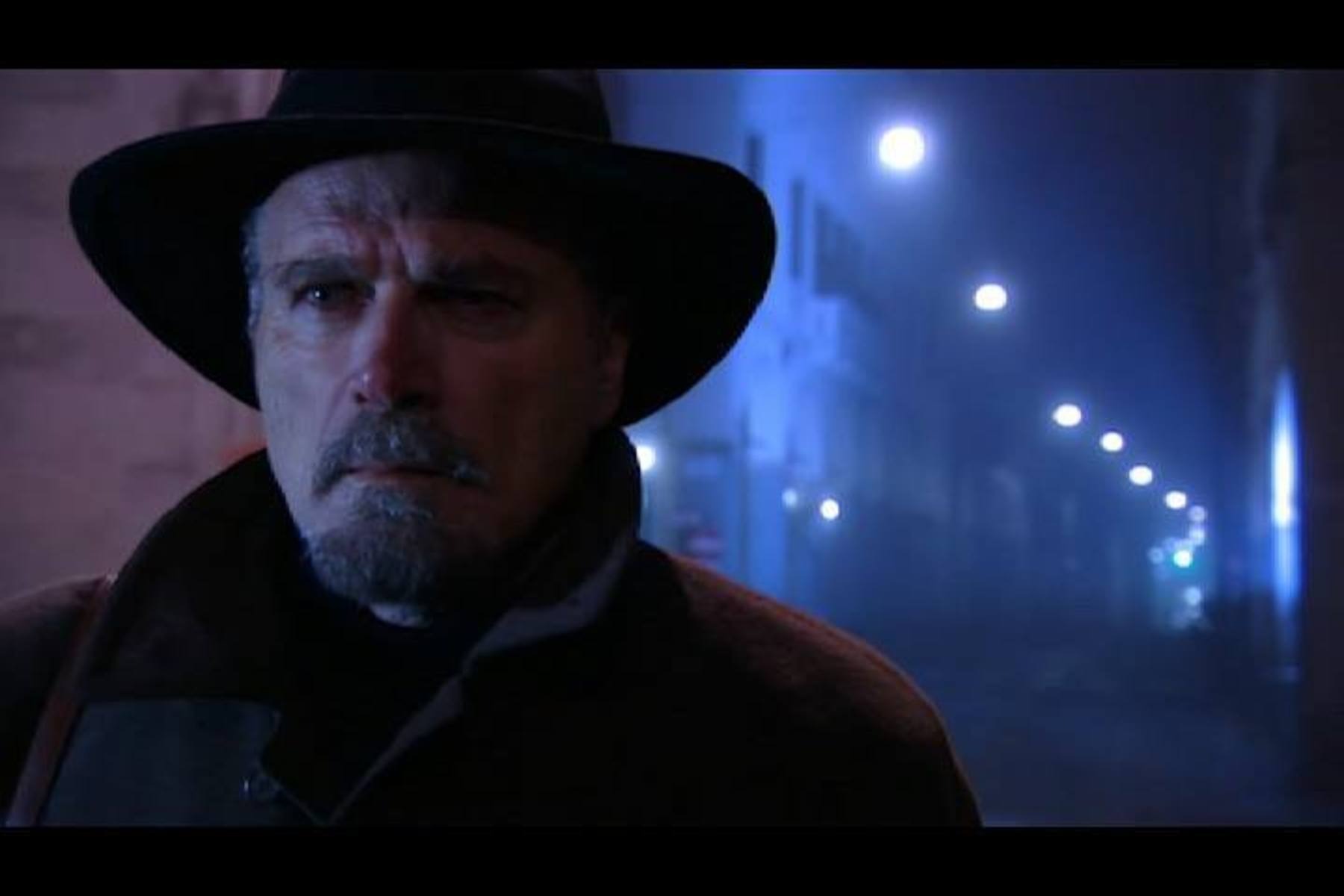
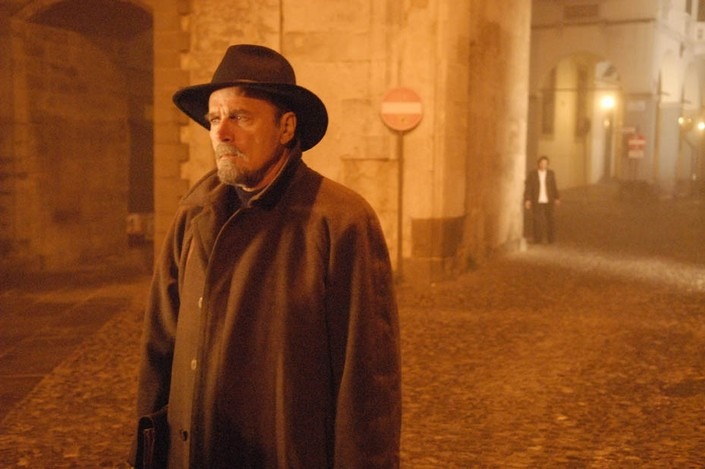
On a night wrapped in fog, an angel wanders through the city in search of lost souls. Lullaby unfolds as a short and atmospheric vision in which mystery, silence, and symbolic presence shape a darkly poetic journey through the night.
Cast
Laura Cannarozzo, Luna Destro, Franco Nero, Daniele Savoca
Director
Louis Nero
Producer
Gianni Vitale

Discover our gallery
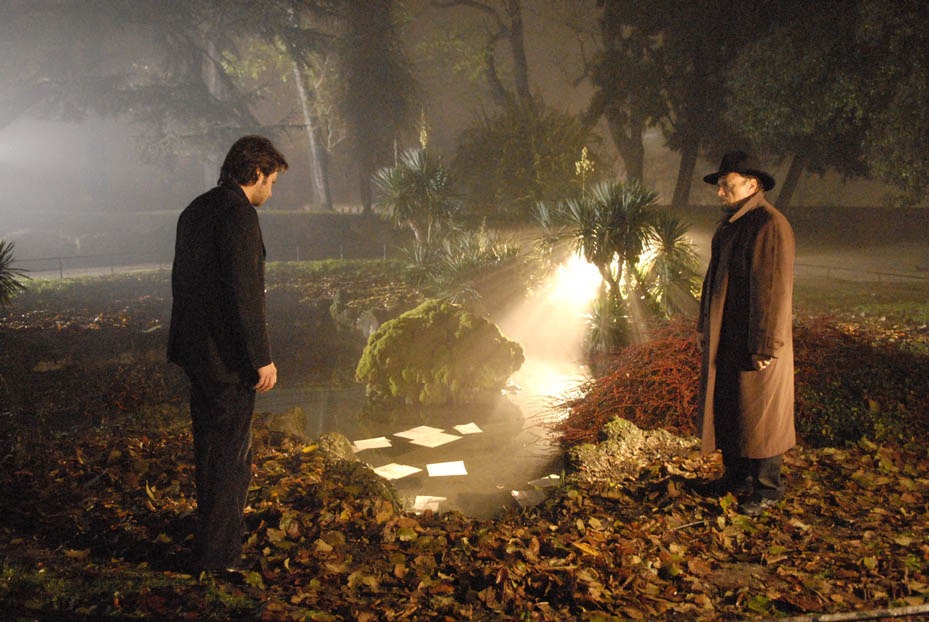
A short film built on night, fog, and mystery
Lullaby is a short film by Louis Nero that appears to unfold in a suspended and dreamlike nocturnal dimension. The few public plot details available already suggest a strong visual identity, centered on a wandering angel and a city immersed in fog. From the outset, the film seems less interested in conventional realism than in creating an atmosphere of uncertainty, silence, and symbolic tension.
The figure of the angel as a symbolic presence
At the center of Lullaby is the image of an angel moving through the night in search of lost souls. This element gives the film an immediately spiritual and allegorical quality, transforming the narrative into something more than a simple nocturnal encounter. The angelic figure suggests judgment, compassion, and passage, opening the story to themes of destiny, fragility, and the invisible border between presence and disappearance.
A cinematic space shaped by ambiguity
One of the most striking suggestions associated with Lullaby is the image of cities drowned in fog and rendered almost unreadable. This detail contributes to the sense of disorientation that defines the film’s atmosphere, where space itself seems unstable and elusive. In this kind of setting, the urban landscape becomes more than a backdrop, turning instead into an emotional and symbolic extension of the film’s inner tension.
Between fantasy and dark suggestion
Public listings classify Lullaby as a short work that moves through fantasy and thriller territory, and this combination fits the tone suggested by its synopsis and cast structure. Rather than relying on overt spectacle, the film appears to build its effect through suggestion, contrast, and the unsettling presence of archetypal figures. This gives the short the quality of a dark fable, suspended between the poetic and the ominous.
A compact work within Louis Nero’s symbolic cinema
Even with limited information available, Lullaby clearly appears aligned with the more visionary side of Louis Nero’s cinema. The presence of symbolic characters, the nocturnal setting, and the emphasis on atmosphere all point toward a work where meaning emerges through image and evocation rather than direct explanation. In this sense, the short can be seen as a concentrated expression of a cinematic language interested in mystery, metaphysical suggestion, and visual intensity.
A brief but evocative descent into the unknown
Because of its concise form, Lullaby seems designed as an intense and distilled experience, one that leaves space for interpretation rather than closure. Its narrative premise is minimal, yet highly evocative: an angel, a night journey, and souls to be gathered. From these elements, the film draws a mood of inquietude and contemplation, making the short feel like a small but resonant passage through darkness, memory, and the unknown.

