
Longtake
Drama | 123 min. | 2005
Synopsis
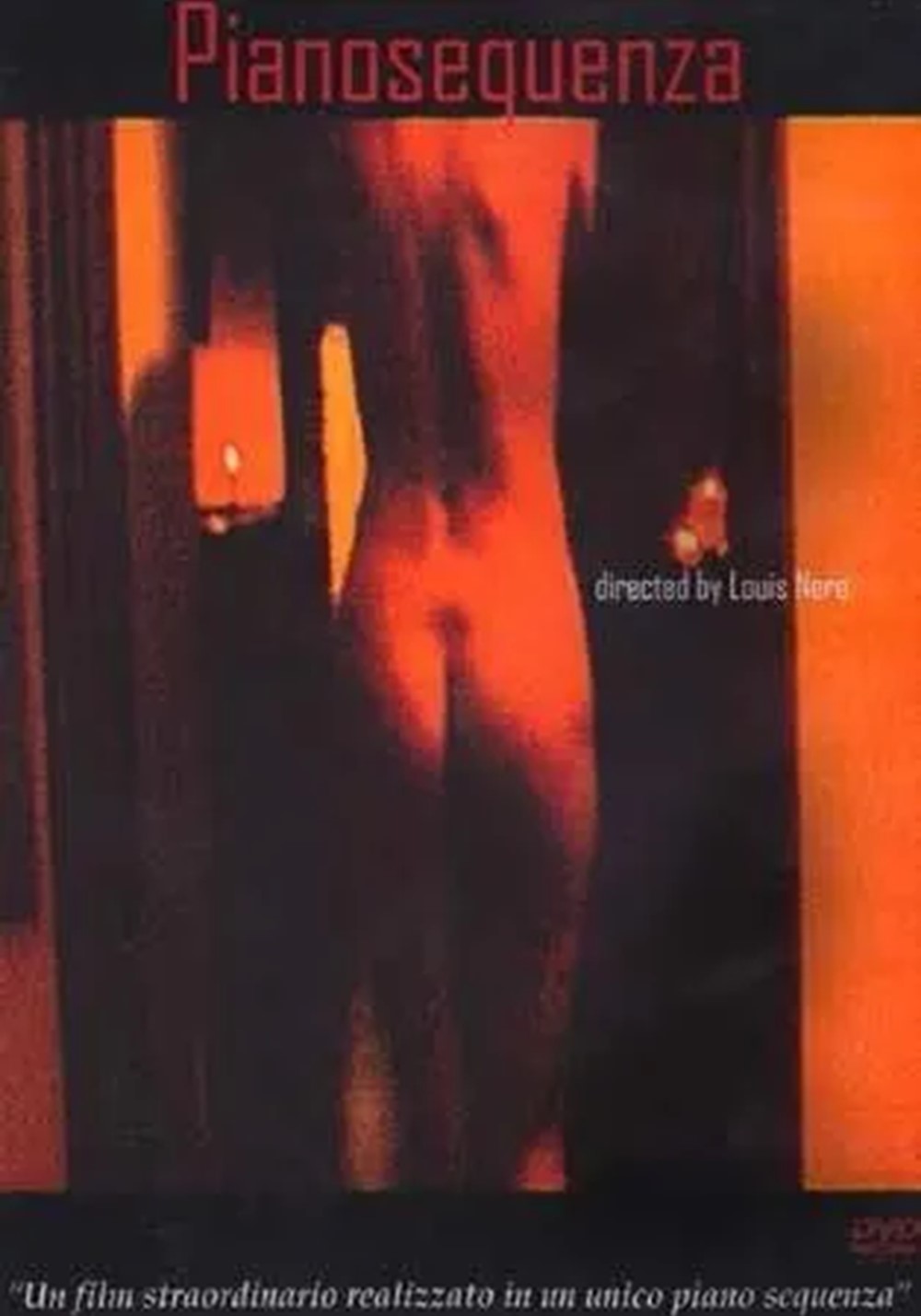
Longtake is a thrilling journey set in the heart of Turin. The film unfolds in real-time, using the technique of a single take to maintain continuous suspense and engagement. The plot revolves around a complex whodunit scenario, filled with twists and turns that keep the audience on the edge of their seats. The film’s narrative intricately weaves elements of mystery and sensuality, creating a compelling and immersive experience.
Cast
Daniele Savoca, Simona Nasi, Giorgia Cardaci, Carlo Gerbino, Tiziana Catalano, Sax Nicosia, Lola Gonzales Manzano, Flavio Sciolè, Aldo Rendina
Director
Louis Nero
Producer
Louis Nero
Streaming

DVD


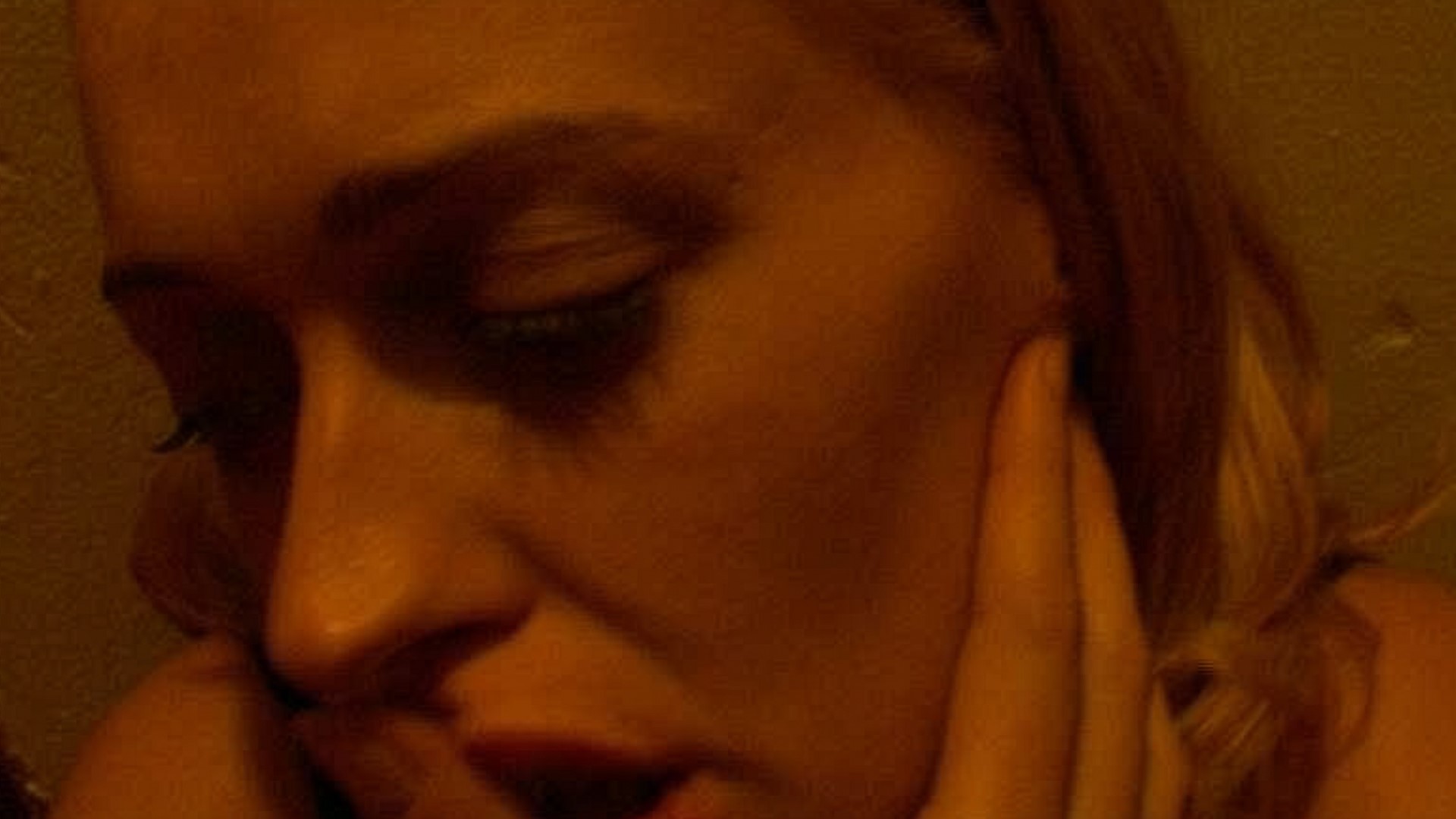
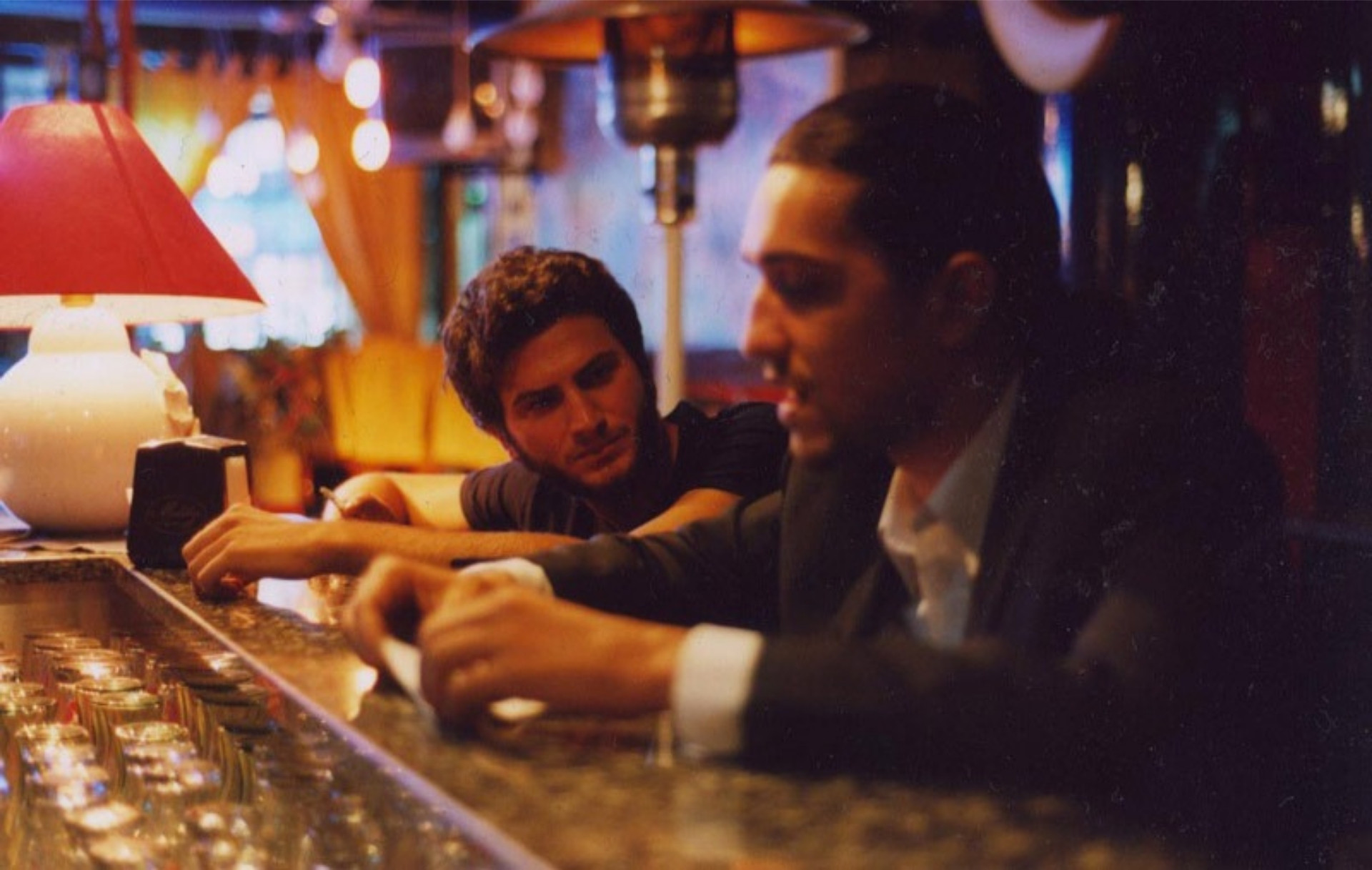
Discover our gallery


A film built as one uninterrupted flow
Longtake is defined above all by its formal ambition: it is widely presented as a film shot in one continuous take, an approach that transforms technique into the very substance of the viewing experience. Rather than using editing to fragment time and space, Louis Nero constructs the story as a single movement, creating a sense of immediacy that draws the viewer directly into the unstable rhythm of the night. This choice gives the film both tension and singularity, making form and narrative inseparable.
A nocturnal journey through Turin
Set and shot in Turin, Longtake uses the city not simply as a location, but as an active presence within the film’s emotional and narrative architecture. Public synopses describe a night-time urban drift populated by strange encounters and intersecting destinies, suggesting a Turin that is mysterious, unpredictable, and deeply cinematic. In this way, the city becomes more than a backdrop, shaping the film’s atmosphere and reinforcing its sense of suspended reality.
A story of intersecting destinies
At the center of Longtake is Paolo, a struggling writer passing through a difficult moment with his girlfriend, yet the film quickly expands beyond a single protagonist. Available plot descriptions emphasize how different lives, initially disconnected, gradually touch and influence one another, often in fleeting but decisive ways. This structure gives the film a choral quality, where coincidence, emotional crisis, and unexpected encounters become the true engine of the narrative.
Suspense through duration and proximity
One of the most distinctive effects of Longtake lies in the way suspense is generated not through rapid montage, but through uninterrupted duration. Because the camera never appears to withdraw from the action, every movement, conversation, and transition acquires a heightened sense of presence. This continuous proximity creates unease and anticipation, turning even ordinary gestures into moments charged with tension and making the viewer feel trapped inside the same flowing time as the characters.
An independent experiment in cinematic form
Contemporary coverage of the film described Pianosequenza as a highly unconventional independent project, a work conceived against the grain and realized through an unusually demanding production process. Reports from the time underline how carefully it was planned and rehearsed, precisely because its single-take structure required extraordinary coordination between actors, camera movement, and staging. This gives the film a special place within Louis Nero’s early career, as both a narrative work and a bold formal experiment.
A concentrated expression of Louis Nero’s visual ambition
Even within the context of experimental and independent cinema, Longtake stands out as a clear statement of Louis Nero’s visual and authorial ambition. The decision to tell the story through one extended cinematic gesture reveals a strong interest in immersion, choreography, and the fragile links between people moving through the same space. More than a technical exercise, the film becomes a reflection on time, destiny, and urban existence, shaped by a form that refuses interruption and asks the audience to remain fully inside the flow of the experience.

