
Photogame
Drama, thriller | 112 min. | 2025
Synopsis
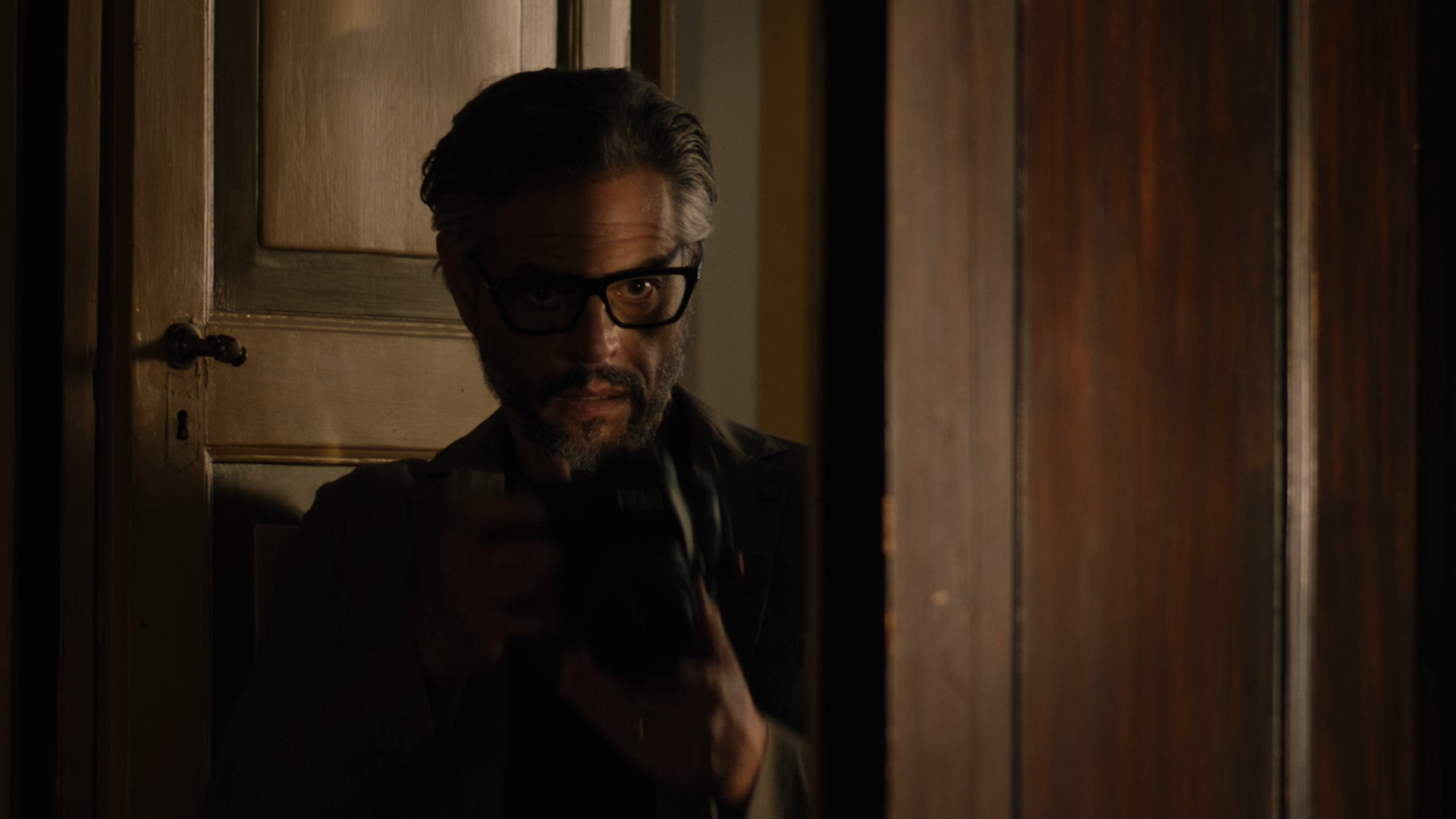
Luca is a well-known and respected middle-aged industrialist from Biella, a husband and father, who behind a quiet bourgeois life feels the weight of a routine that has become too predictable. He thus rediscovers his youthful passion for photography and opens an innovative atelier in the fashion world. Here he accidentally discovers Photogame, a bizarre artificial intelligence-based game that tests integrity and emotions through provocations, transgressive challenges, and role-swapping. Fascinated by the unpredictability of the game, Luca involves the photographers and models of his atelier, gradually transforming them into the terrain for his own experimentation.
When Lucrezia, the countess who was his great love, reappears along with her young daughter Marta, Luca's fragile balance shatters and his marriage to Elvira enters a crisis. Luca and Lucrezia, who have never stopped loving each other, plan a fashion show in Venice on the mysterious Island of Poveglia. But Photogame takes over. The rediscovered love, the desire for freedom, and the now indispensable game drag Luca into an inextricable web of mistakes, in which the innocent will pay the consequences above all.
Cast
Director
Producer
DVD


Discover our gallery

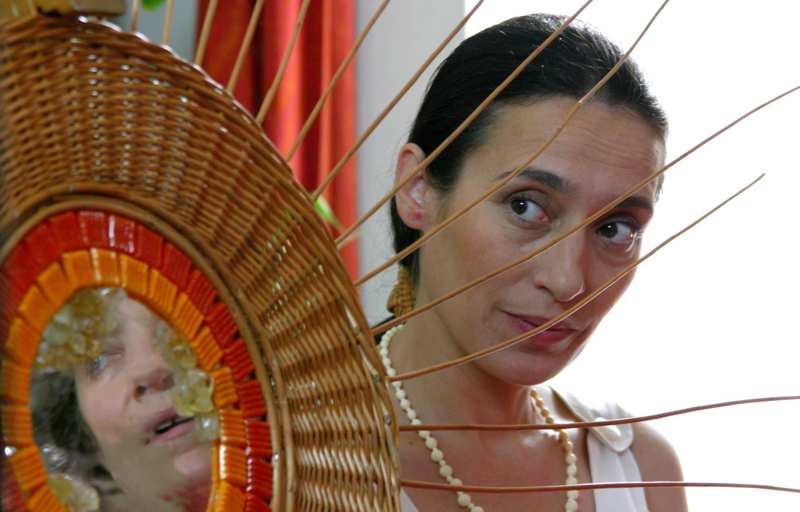
A story set in the fragile dawn of post-communist change
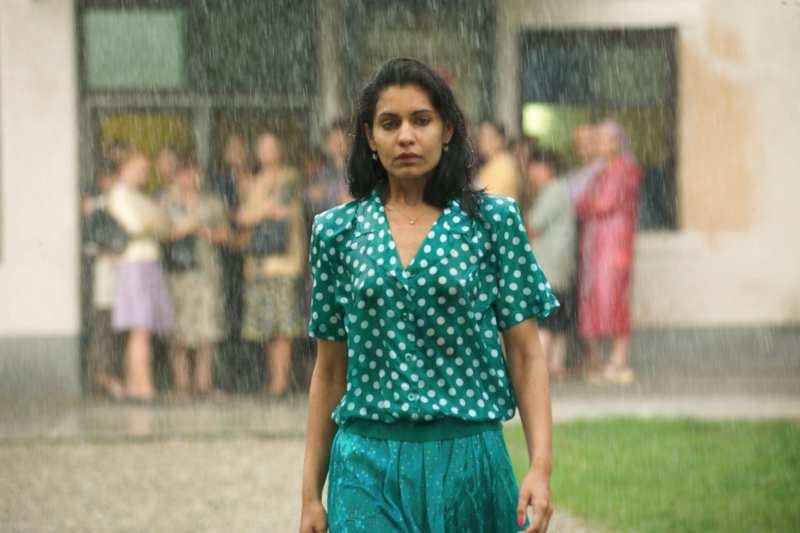
One of the most important dimensions of Mario il Mago is its historical setting. The film takes place in a rural Hungarian village in the years following the fall of the Berlin Wall, when democracy and capitalism begin to enter Eastern Europe and reshape everyday life. This context is not just background, but the very condition that makes Mario’s arrival feel so transformative, because he seems to embody opportunity, modernity, and a freedom that had long been out of reach.
Vera at the center of a personal and emotional transformation
Mario as charm, promise, and dangerous illusion
Work, female labor, and the promise of freedom
Another striking aspect of Mario il Mago is the importance of work as both opportunity and illusion. The shoe factory Mario opens recruits local women, and this new space of labor initially seems to offer dignity, independence, and a break from the old order. At the same time, the film suggests how quickly these hopes can become entangled with hierarchy, desire, and dependence. This gives the story a strong social layer, linking private emotion to broader questions of work, gender, and transition.
Between romantic fascination and tragic rupture
What gives Mario il Mago its emotional force is the way it moves from enchantment to tragedy. Vera’s growing conviction that Mario loves her and may take her with him to Italy turns the film into something more intense than a social drama or a romance. The story becomes a study of disillusionment, in which hope hardens into obsession and the collapse of a fantasy produces irreversible consequences. This shift gives the narrative a dramatic arc that is both intimate and brutal.

