Women Directors
Docufiction | 76 min. | 2014

Synopsis
Women Directors delves into the lives and works of pioneering female filmmakers, offering an intimate look at their struggles, triumphs, and artistic visions. The film features interviews and insights from some of the most influential female film directors in history, creating an inspirational narrative that celebrates their contributions to cinema.
Cast
Maria De Medeiros, Lina Wertmüller, Cecilia Mangini, Francesca Archibugi, Francesca Comencini, Wilma Labate, Cinzia TH Torrini, Antonietta De Lillo, Donatella Maiorca, Roberta Torre, Giada Colagrande, Ilaria Borrelli, Maria Sole Tognazzi, Anne Riitta Ciccone, Alina Marazzi, Donatella Baglivo, Elisa Mereghetti, Nina Di Majo, Paola Randi, Anna Negri, Susanna Nicchiarelli, Stefania Bonatelli e Gian Luigi Rondi, Anselma Dell’Olio, Silvana Silvestri, Eliana Lo Castro Napoli
Director
Diana dell'Erba
Producer
Louis Nero
Streaming


DVD


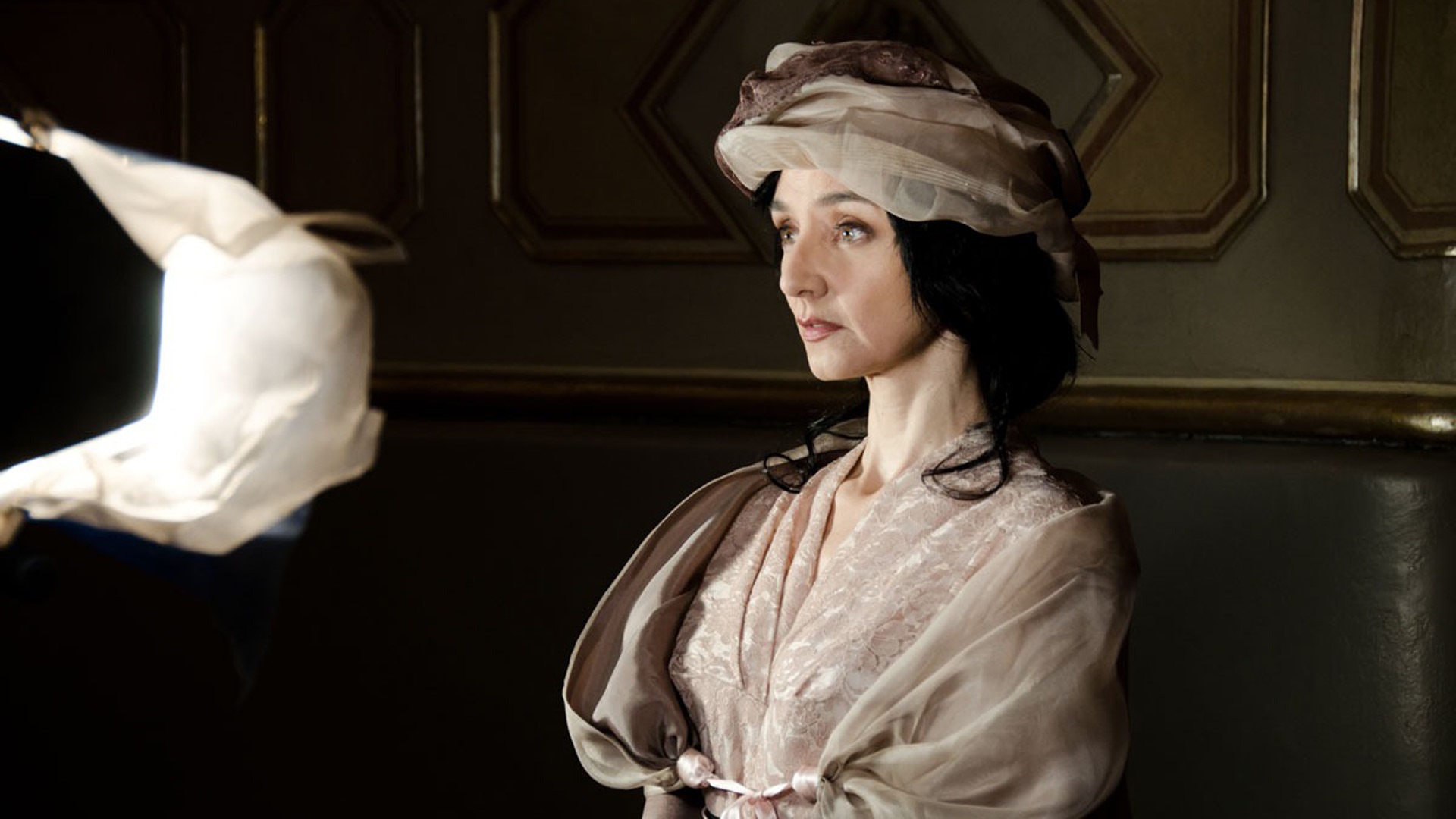
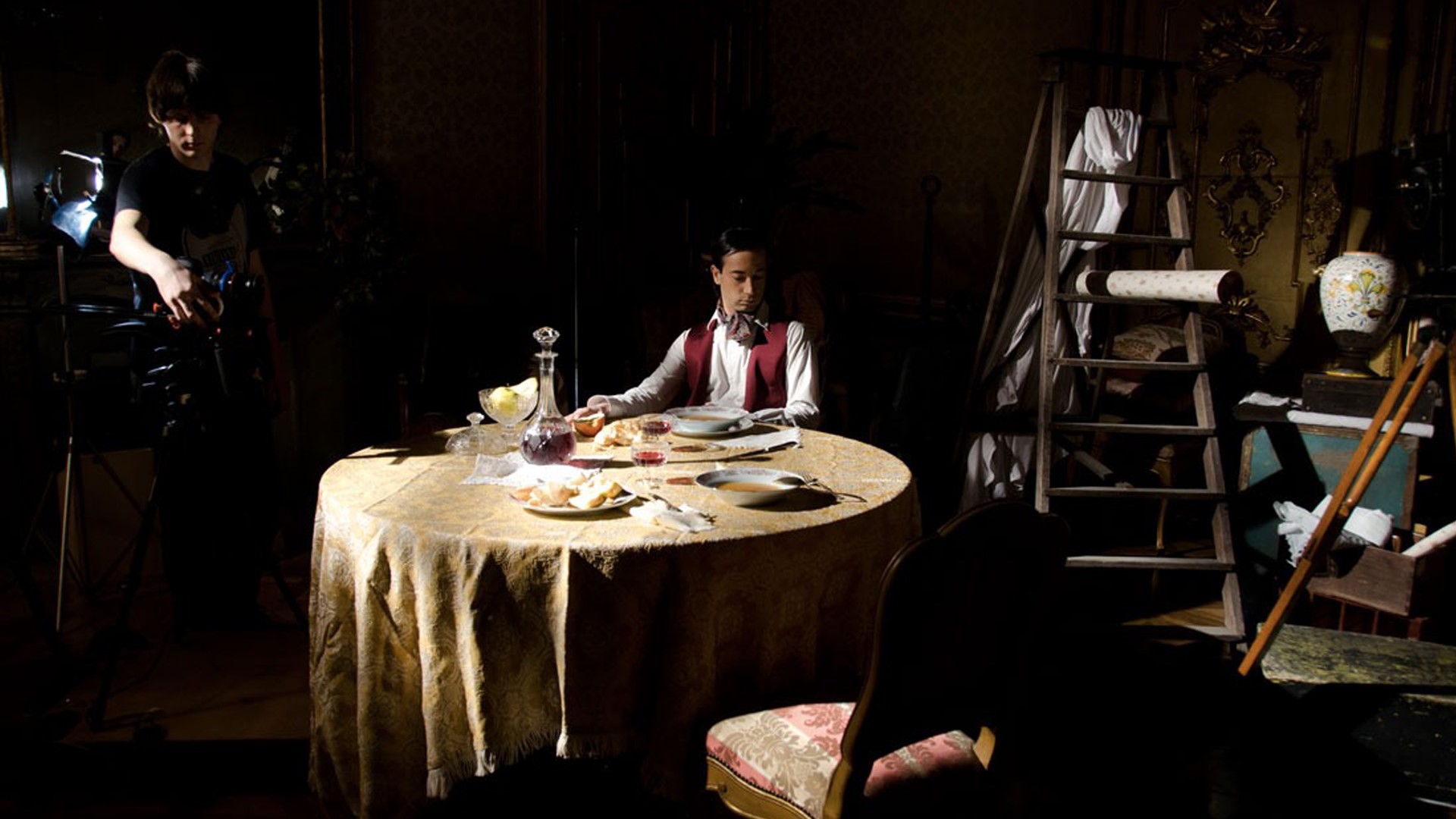
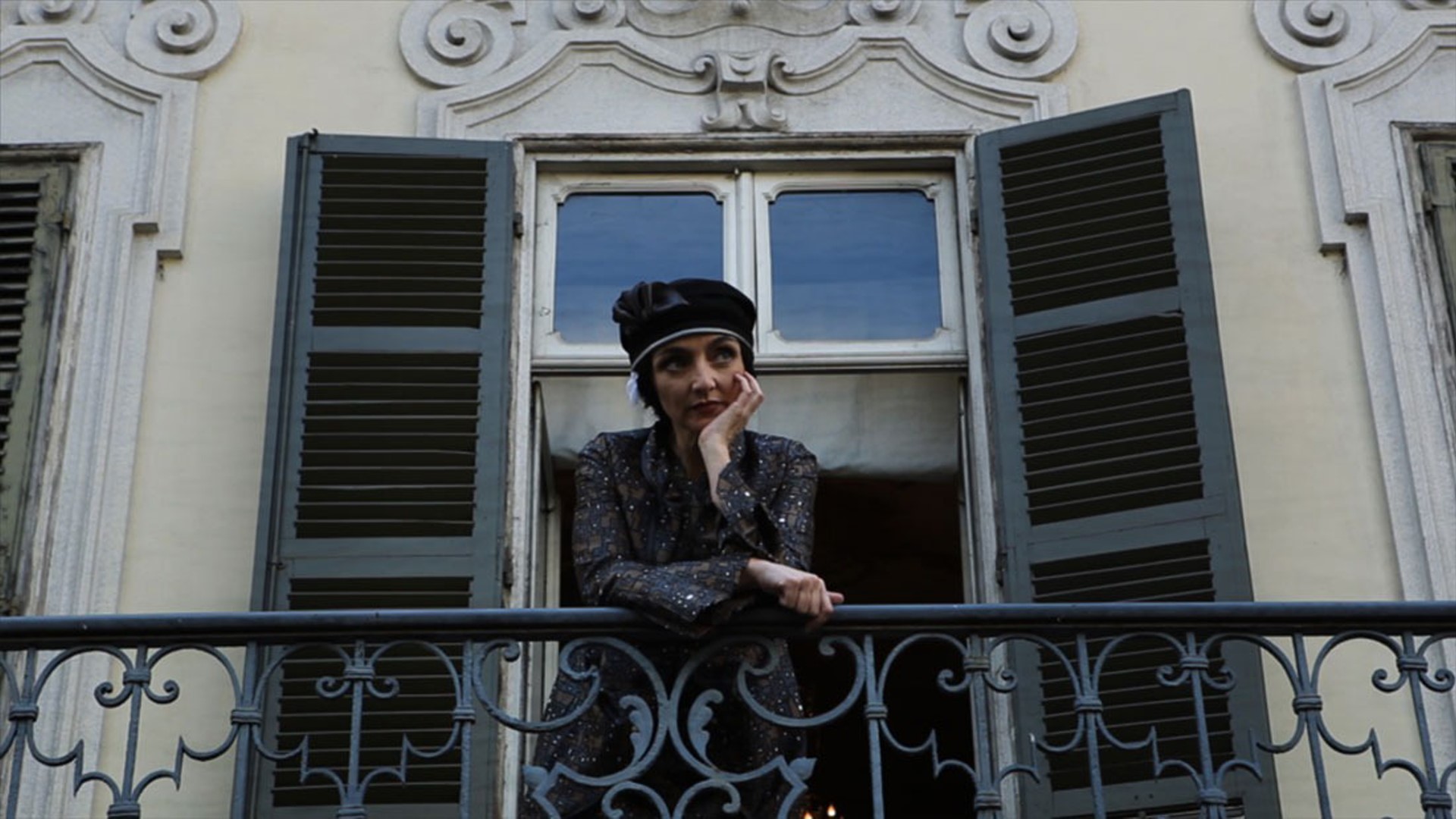
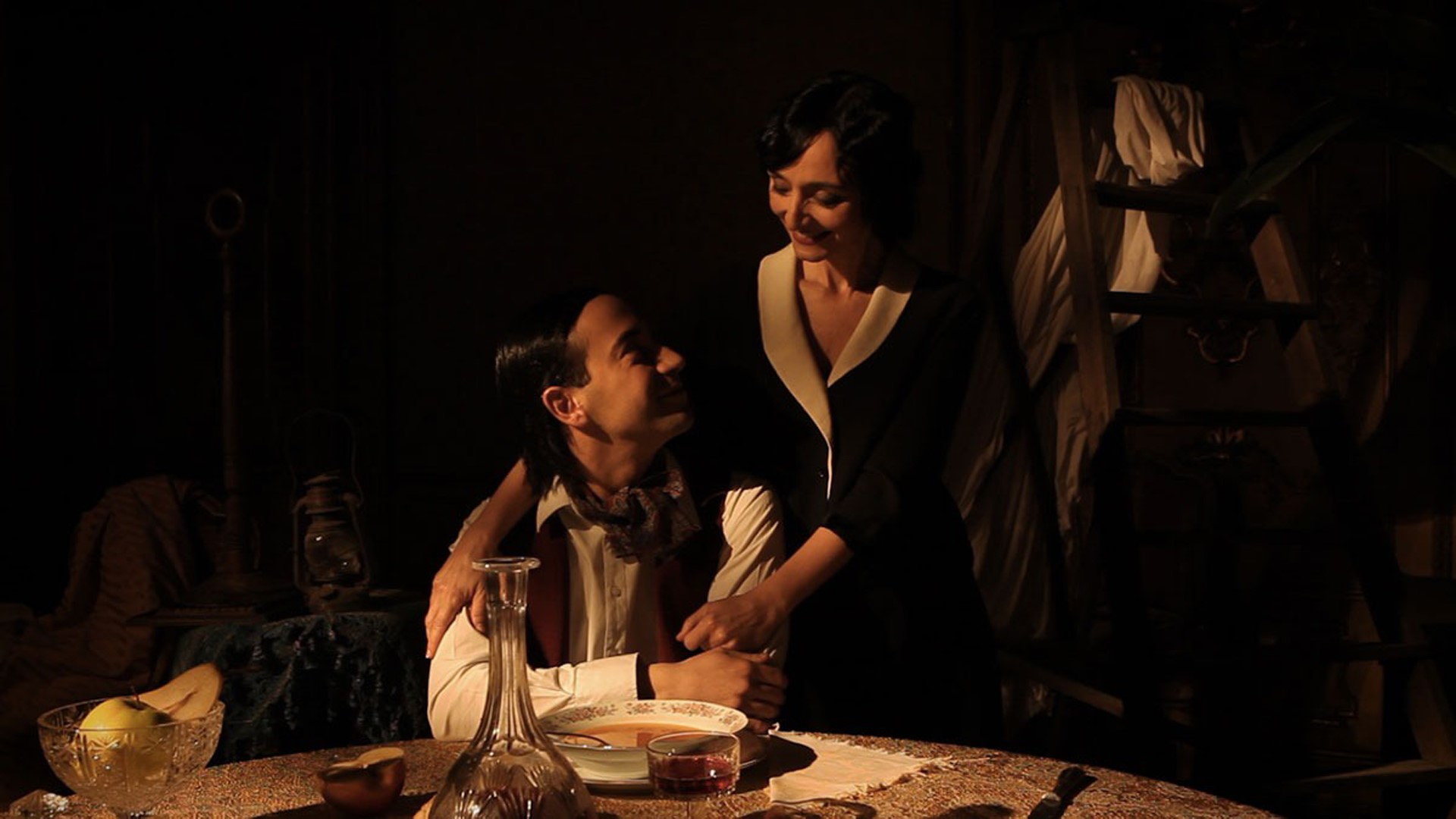
Discover our gallery
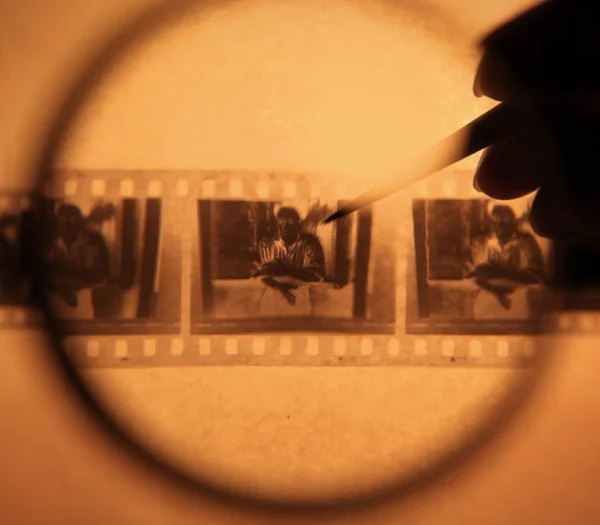
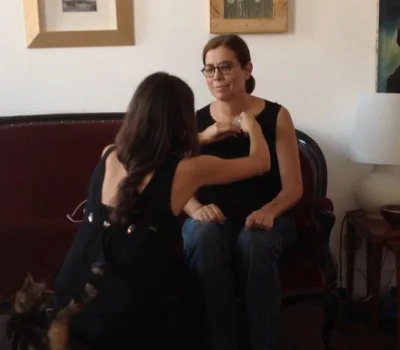

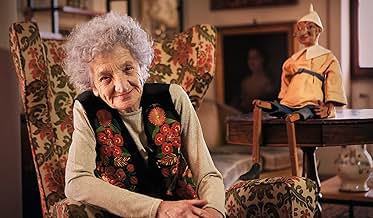
A tribute to the women who transformed cinema
Women Directors is a documentary that celebrates the creative force, vision, and determination of female filmmakers who have left a profound mark on the history of cinema. Directed by Diana Dell’Erba, the film is both a tribute and a reflection, bringing attention to women whose work has helped shape cinematic language across generations. Through their stories, the documentary restores visibility to voices that have often been overlooked, while affirming the richness and diversity women bring to filmmaking.
The legacy of pioneering female filmmakers
At the heart of Women Directors lies a recognition of the pioneers who opened the way for future generations of women in cinema. By revisiting the legacy of figures such as Elvira Notari and Lina Wertmüller, the film highlights the courage and originality of directors who challenged conventions and redefined the possibilities of authorship. Their presence in the documentary gives historical depth to the narrative, showing how female filmmaking has always been a vital part of cinema, even when it was insufficiently acknowledged.
A mosaic of voices, styles, and artistic visions
One of the most compelling aspects of Women Directors is the wide range of filmmakers it brings together, each with a distinct voice, sensibility, and cinematic approach. From documentary pioneers to internationally acclaimed auteurs, the film presents a collective portrait of women directors whose works differ in style, genre, and vision, yet share a common creative strength. This multiplicity becomes one of the documentary’s greatest values, revealing how female authorship in cinema cannot be reduced to a single identity or narrative model.
Cinema as memory, expression, and resistance
Beyond its celebratory dimension, Women Directors also reflects on cinema as a form of memory and artistic resistance. By focusing on the experiences and creative choices of women filmmakers, the documentary suggests that directing is not only a profession, but also an act of expression that challenges structures, stereotypes, and exclusions. In this sense, the film becomes more than a historical overview: it is also a reflection on the cultural importance of preserving, recognizing, and continuing these cinematic legacies.
Inspiration for future generations of women filmmakers
Women Directors carries a strong inspirational value, especially for young women who aspire to work in cinema. By showing the paths, struggles, and achievements of established female directors, the film offers a message of possibility and continuity. It presents filmmaking as a space in which women have fought to be heard and where their contribution remains essential. This dimension gives the documentary a forward-looking energy, linking past achievements to the future of storytelling in film.
A documentary about representation and creative freedom
Ultimately, Women Directors is a film about representation, artistic freedom, and the transformative power of diverse perspectives in cinema. Diana Dell’Erba creates a documentary that honors not only individual careers, but also the broader significance of women’s authorship in the evolution of film culture. The result is a work that celebrates talent, restores historical balance, and reminds viewers that cinema becomes richer whenever more voices are allowed to shape its stories.

