
Across the River and Into the Trees
Drama | 100 min. | 2024

Synopsis
Set in post-war Venice, Across the River and Into the Trees follows Colonel Richard Cantwell, an American war hero haunted by the front and facing terminal illness with stoic detachment. As he sets out for what may be a final hunting trip and a return to familiar places, a chance encounter with a young countess opens an unexpected space for tenderness, memory, and renewal.
Cast
Liev Schreiber, Matilda De Angelis, Josh Hutcherson, Laura Morante, Danny Huston, Sabrina Impacciatore
Director
Paula Ortiz
Producer
John Smallcombe, Kirstin Roegner,
Liev Schreiber, Ken Gord, Robert MacLean, Michael Paletta
Streaming

DVD




Discover our gallery
A Hemingway story of love, war, and passing time
Across the River and Into the Trees is rooted in the final complete novel published by Ernest Hemingway during his lifetime, and it carries many of the themes most closely associated with his writing: love, war, youth, and the weight of passing years. Rather than building itself around spectacle, the film seems to embrace a quieter emotional scale, using a fleeting encounter to reflect on mortality, memory, and the fragile beauty of late renewal.
A wounded colonel at the center of the story
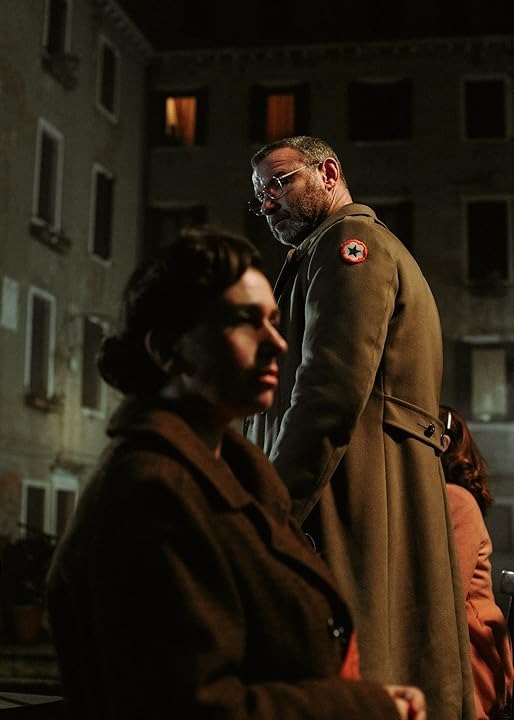
At the heart of the film is Colonel Richard Cantwell, a decorated American officer living in the aftermath of war and confronting the news of his terminal illness with a kind of controlled indifference. This condition gives the narrative its emotional gravity, because every movement through Venice, every memory, and every encounter carries the feeling of a man standing at the threshold between endurance and surrender.
Venice as a place of memory and suspended time
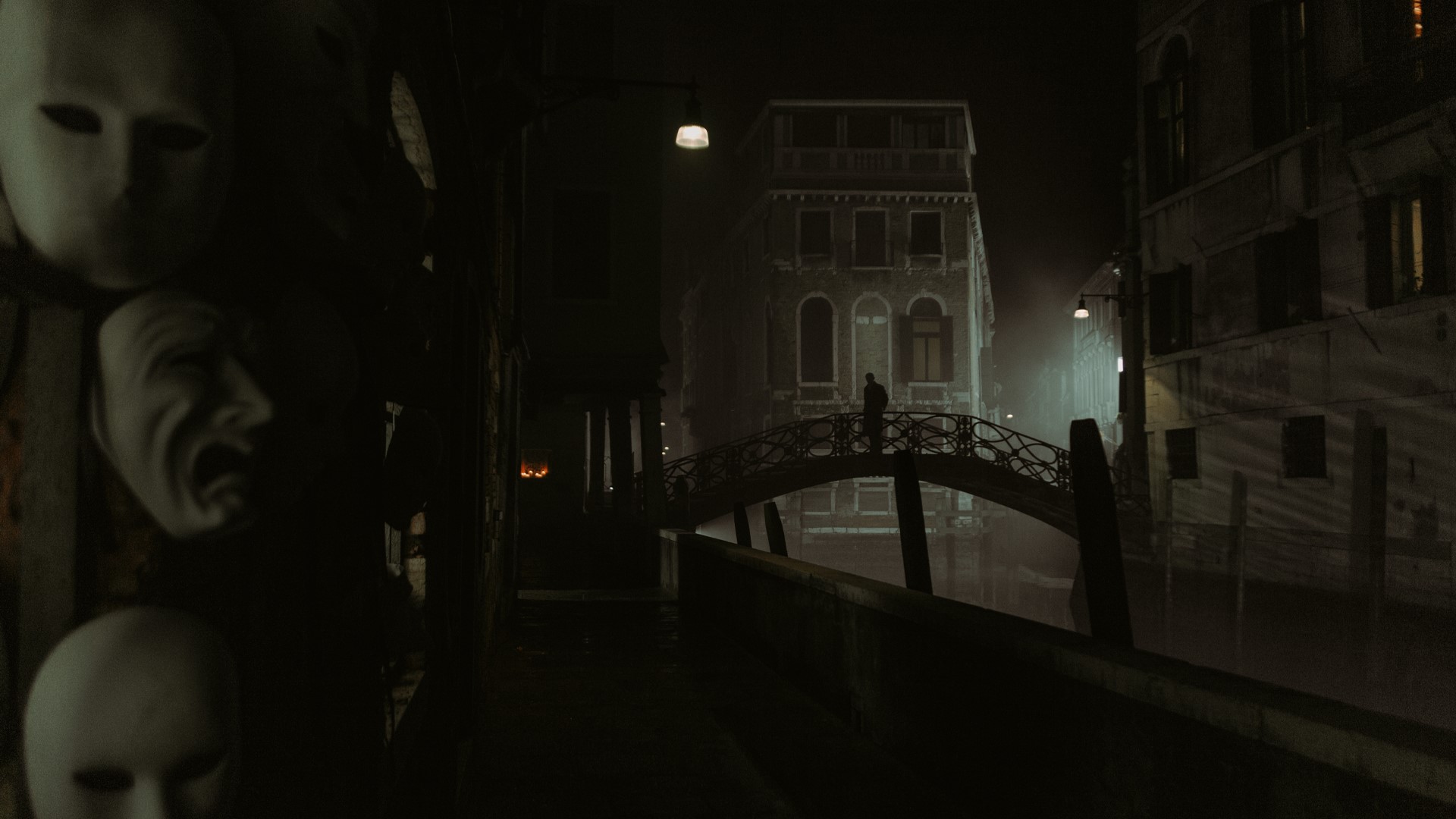
One of the most distinctive qualities of Across the River and Into the Trees is its Venetian setting, which emerges not only as a location but as a landscape of remembrance, beauty, and inner stillness. Official materials describe the film as capturing a fleeting moment of immortality where time seems to stand still, and Venice becomes the ideal space for that sensation: a city where love, decline, and memory can coexist in the same breath.
The encounter that rekindles life
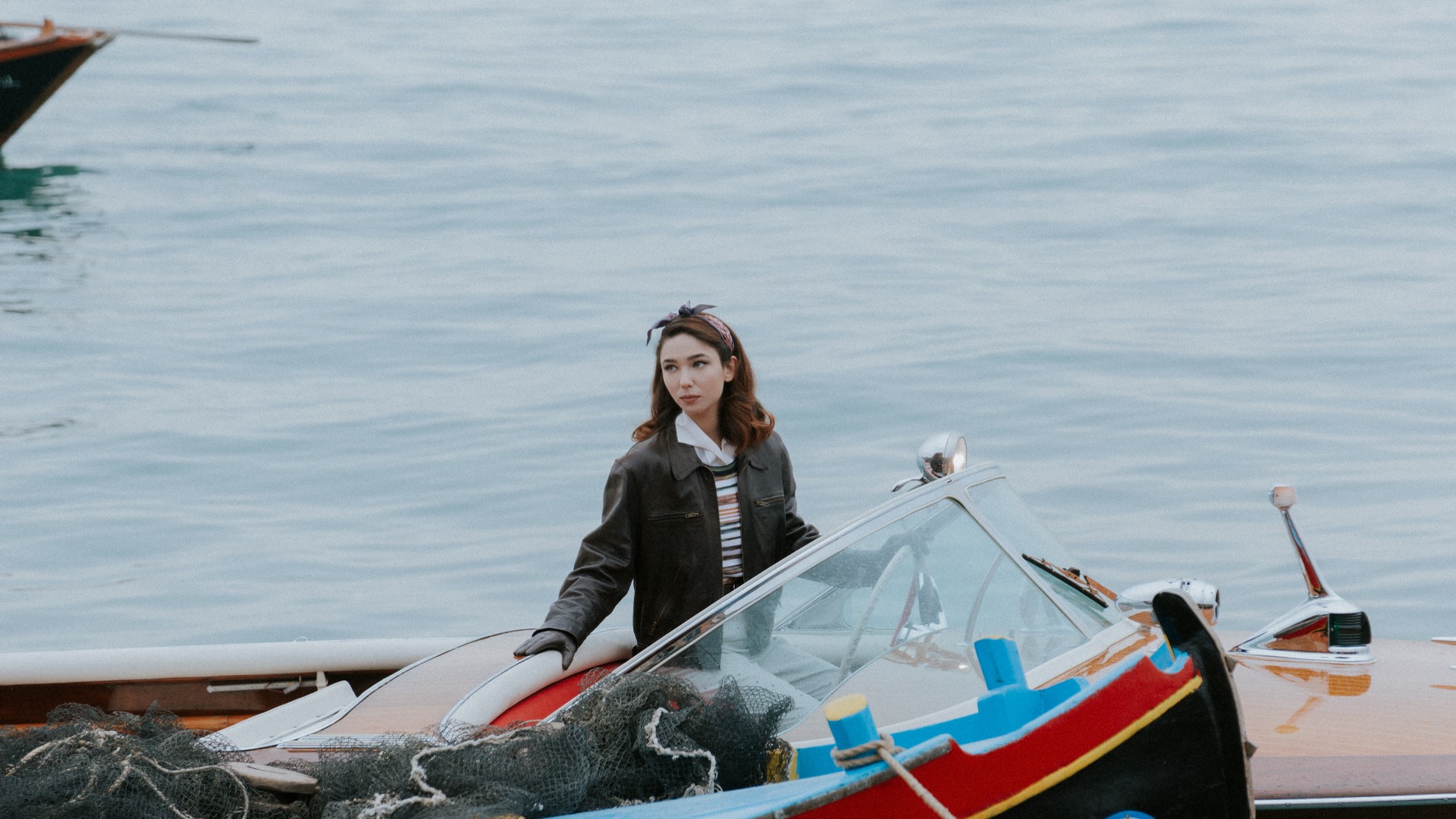
As Cantwell’s plans begin to unravel, the meeting with the young countess Renata introduces a different emotional current into the story. Public synopses consistently frame this encounter as the moment that kindles in him the hope of renewal, turning the film into something more than a farewell narrative. What emerges is a fragile relationship shaped not by certainty, but by the possibility that affection and beauty might still interrupt despair.
A lyrical adaptation shaped by reflection and regret
Critical descriptions of the film often emphasize its meditative and melancholic tone, built less on action than on conversation, presence, and emotional hesitation. This makes Across the River and Into the Trees feel like a reflective adaptation, one interested in life’s choices, unfinished feelings, and the quiet ache of what can no longer be recovered. The result is a drama that moves through understatement rather than intensity, but still carries strong emotional resonance.
Paula Ortiz’s vision between beauty and mortality
Paula Ortiz has described the film as not only an adaptation of one of Hemingway’s final novels, but also as a song of death, life, and beauty. That perspective helps explain the film’s tone: intimate, elegiac, and attentive to the way two wounded people may briefly help each other reconnect with the center of life. In this sense, Across the River and Into the Trees becomes less a conventional war drama than a cinematic meditation on grace, memory, and the last season of existence.

