Golem
Drama | 104 min. | 2001

Synopsis
From alchemical legends, to Jewish mysteries related to the Kabbalah to Wegener’s mythical “Der Golem.” The very cities of the magic triangle, Turin, Prague and Lyon, serve as the setting for this work dedicated to the figure of the Golem. The mythical automaton-statue, animated by the power of magic words, wanders in the night through the scenery of the three magical cities in search of its creator.
Cast
Marco Giachino, Antonio Villella, Savino Genovese
Director
Louis Nero
Producer
Louis Nero
DVD


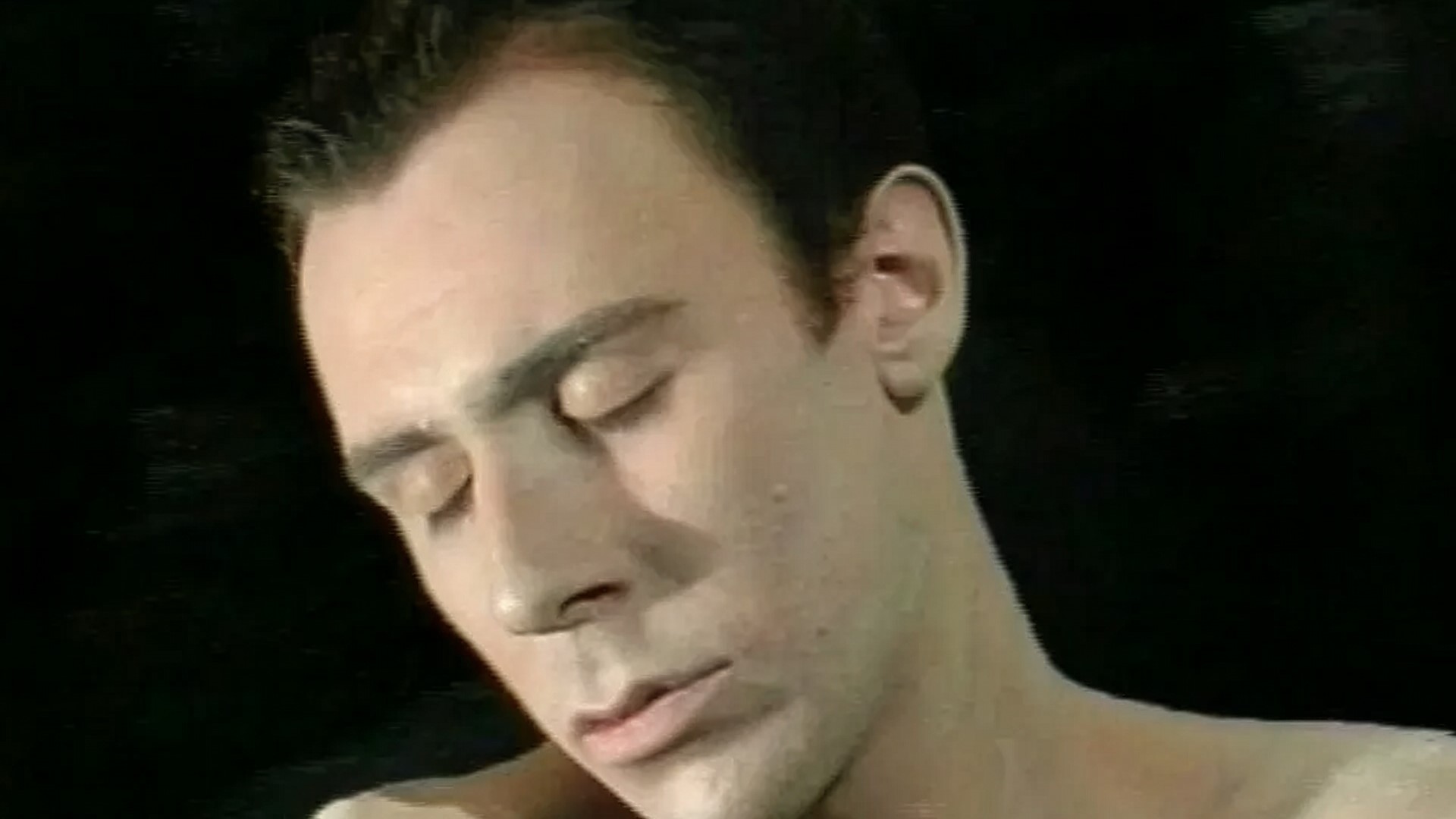
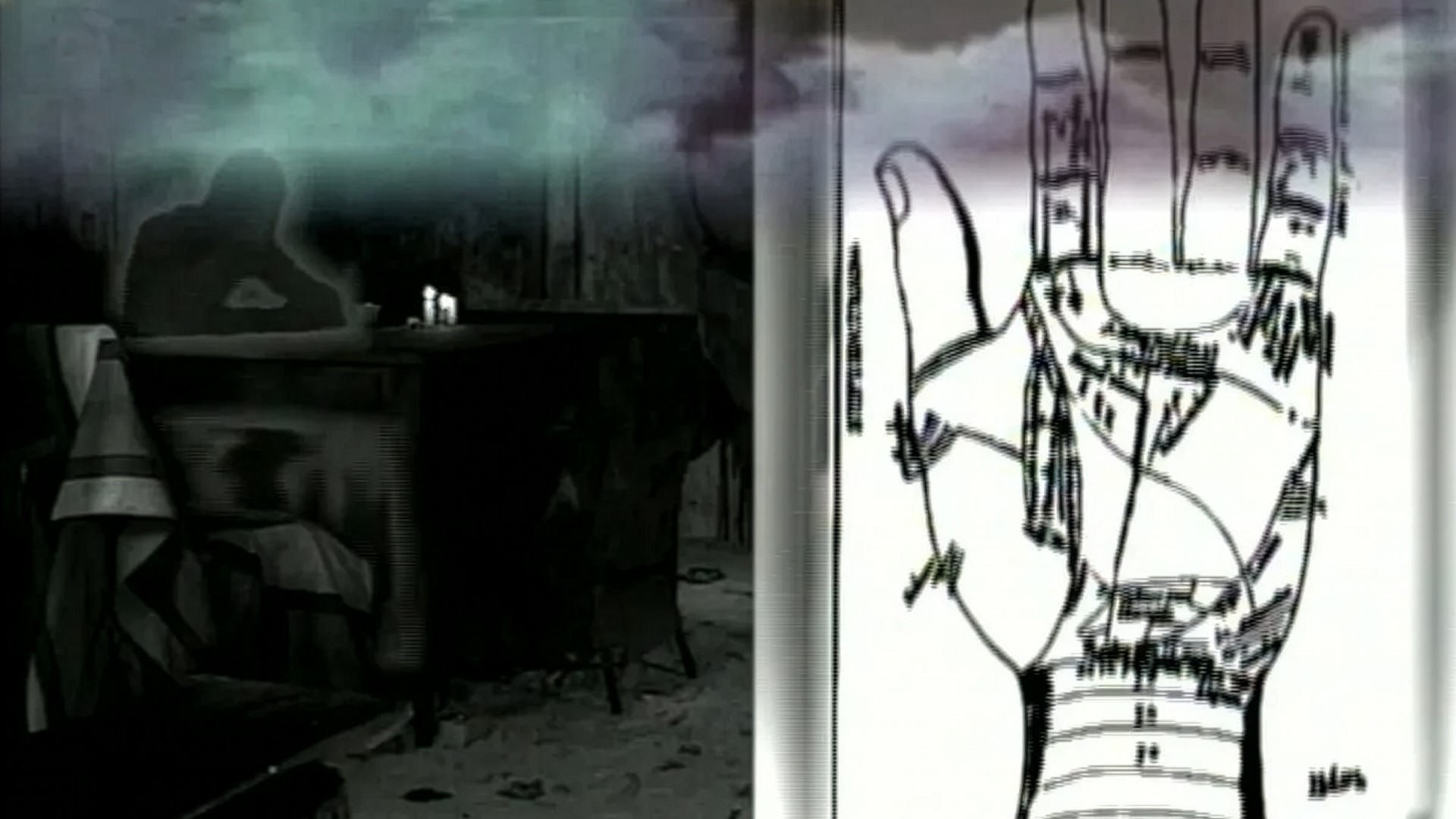
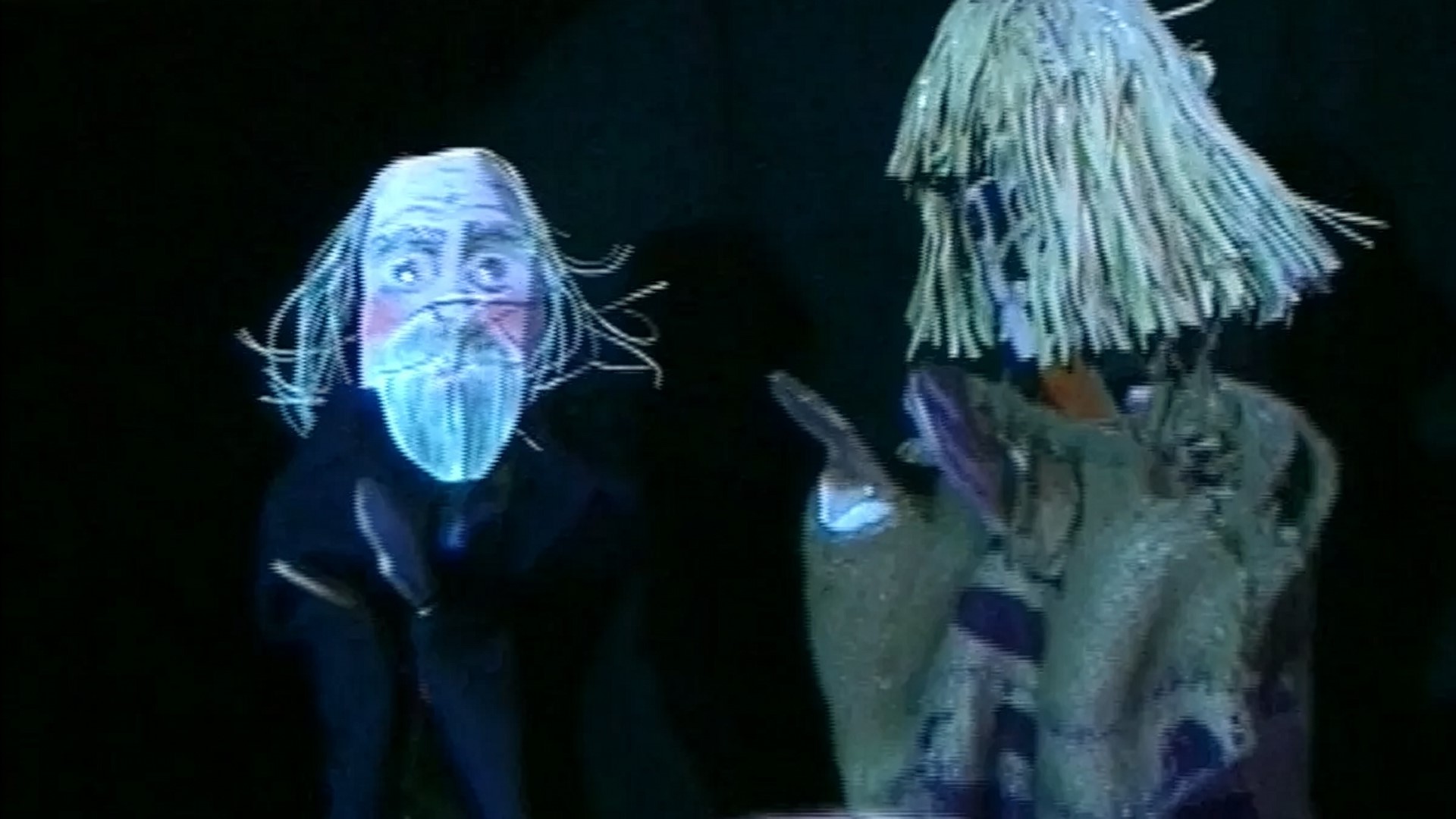
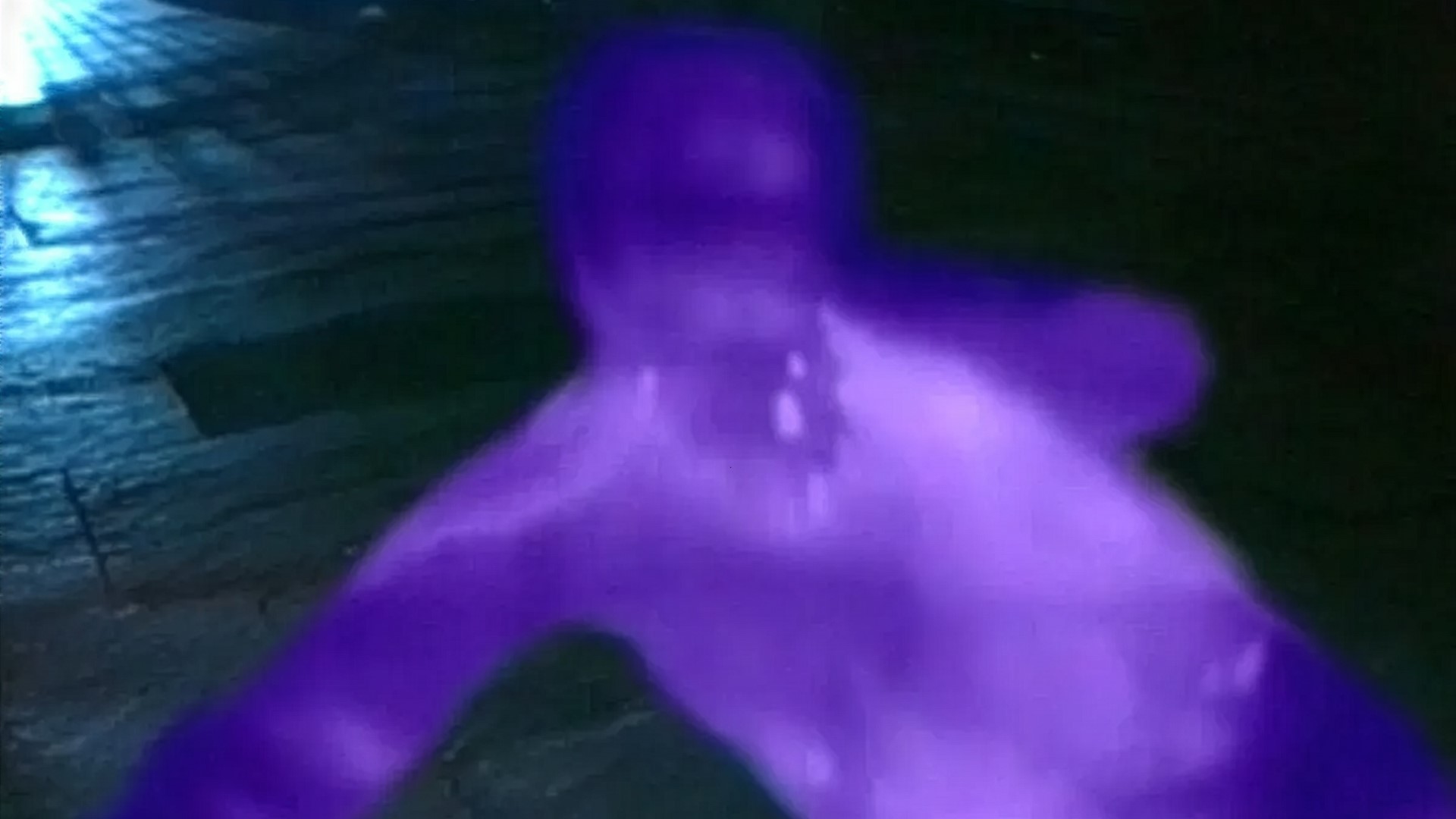
Discover our gallery


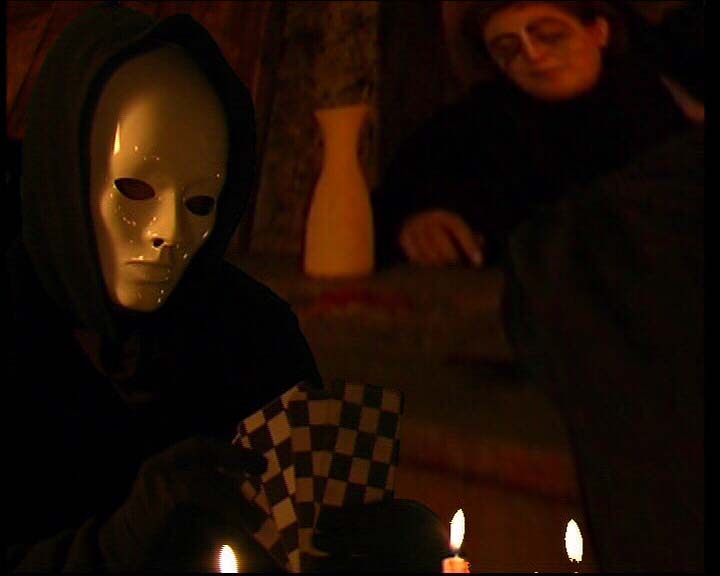


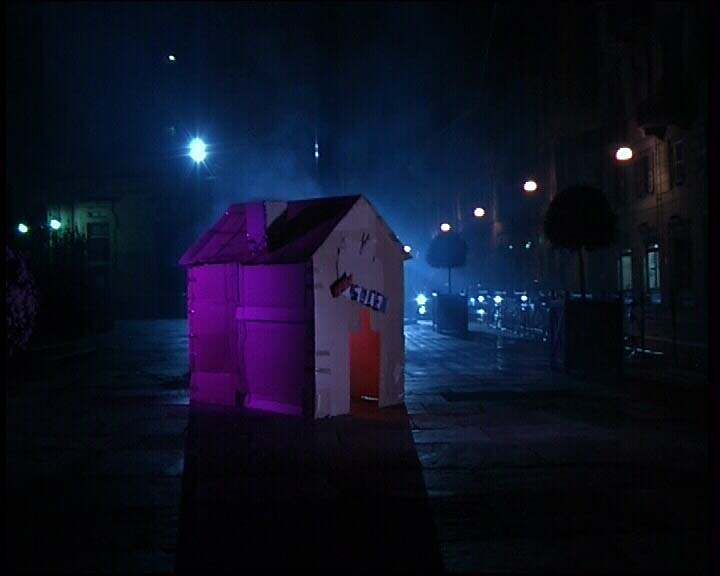
A film shaped by myth, night, and esoteric atmosphere
Golem is built around one of the most powerful figures of Jewish legend, reimagined by Louis Nero through a strongly visual and symbolic cinematic language. Rather than presenting the myth as a conventional fantasy narrative, the film seems to unfold as a nocturnal meditation on mystery, creation, and spiritual unrest. This gives the work a distinctive identity, suspended between legend, ritual, and auteur cinema.
The Golem legend brought into a modern cinematic form
At the center of the film is the figure of the Golem, the mythical animated being traditionally associated with Rabbi Judah Loew and Jewish mystical tradition. Public descriptions of the film emphasize how Louis Nero draws from alchemical legends, Kabbalah, and ancient Hebrew mysteries to reframe this figure not simply as a creature of folklore, but as a deeper symbol of protection, power, and spiritual ambiguity. Through this approach, Golem becomes less a retelling than a reinterpretation of an enduring myth.
A journey across Turin, Prague, and Lyon
One of the most distinctive aspects of Golem is its setting across Turin, Prague, and Lyon, cities repeatedly associated in public descriptions with an esoteric and symbolic geography. Sources on the film note that it was shot entirely at night and that these three urban spaces form the so-called “magic triangle,” giving the story a transnational and ritual dimension. In this sense, the cities are not simple backdrops, but active presences within the film’s atmosphere of mystery and wandering.
A first feature already marked by strong visual ambition
Film Commission Torino Piemonte describes Golem as Louis Nero’s first feature film, and that context helps explain the work’s concentrated sense of ambition and identity. Nero is credited not only as director, but also with story, cinematography, and editing in multiple public records, suggesting a deeply author-driven project shaped by a unified creative vision. This gives the film the feel of an early statement of intent, where atmosphere, symbolism, and form are already central to the director’s language.
Between Jewish mysticism and alchemical imagination
The material available on Golem consistently highlights its link to Jewish Kabbalah, alchemical legend, and spiritual mystery. This makes the film more than a mythological drama, because it opens onto a broader reflection on sacred language, creation, and the hidden dimensions of matter. Some sources even describe the creature as transformed from a traditional clay automaton into a being connected to earth, water, air, and fire, reinforcing the film’s elemental and metaphysical character.
A dark and visionary work within Louis Nero’s cinema
Even from the public descriptions alone, Golem stands out as a film that already contains many of the traits associated with Louis Nero’s cinema: symbolic storytelling, nocturnal imagery, philosophical tension, and a fascination with hidden worlds. The presence of Moni Ovadia as narrator, together with the mythic structure of the story, strengthens the sense of a film conceived not only as narrative cinema, but as a visionary passage through memory, legend, and esoteric imagination. The result is a work that treats myth as a living cinematic force rather than a distant cultural relic.

