
Rasputin
Drama | 105 min. | 2011

Synopsis
Set against the turbulent backdrop of early 20th-century Russia, Rasputin chronicles the rise and fall of the man who became a mystic advisor to the Romanov family. Known for his alleged healing powers and controversial influence over the Russian royal family, Rasputin’s story is one of power, mystery, and intrigue. Louis Nero’s direction brings a fresh, intense perspective to this storied figure, making Rasputin a must-watch for fans of historical drama and conspiracy thrillers.
Cast
Francesco Cabras, Daniele Savoca, Diana Dell’Erba, Davide Ranieri, Riccardo Cicogna, Elena Presti, Matilde Maggio, Ottaviano Blitch, Marco Sabatino, Eleonora Mercatali, Anara Bayanova, Anna Cuculo, Angelo Santamaria, Ola Cavagna
Director
Louis Nero
Producer
Louis Nero
Streaming


DVD


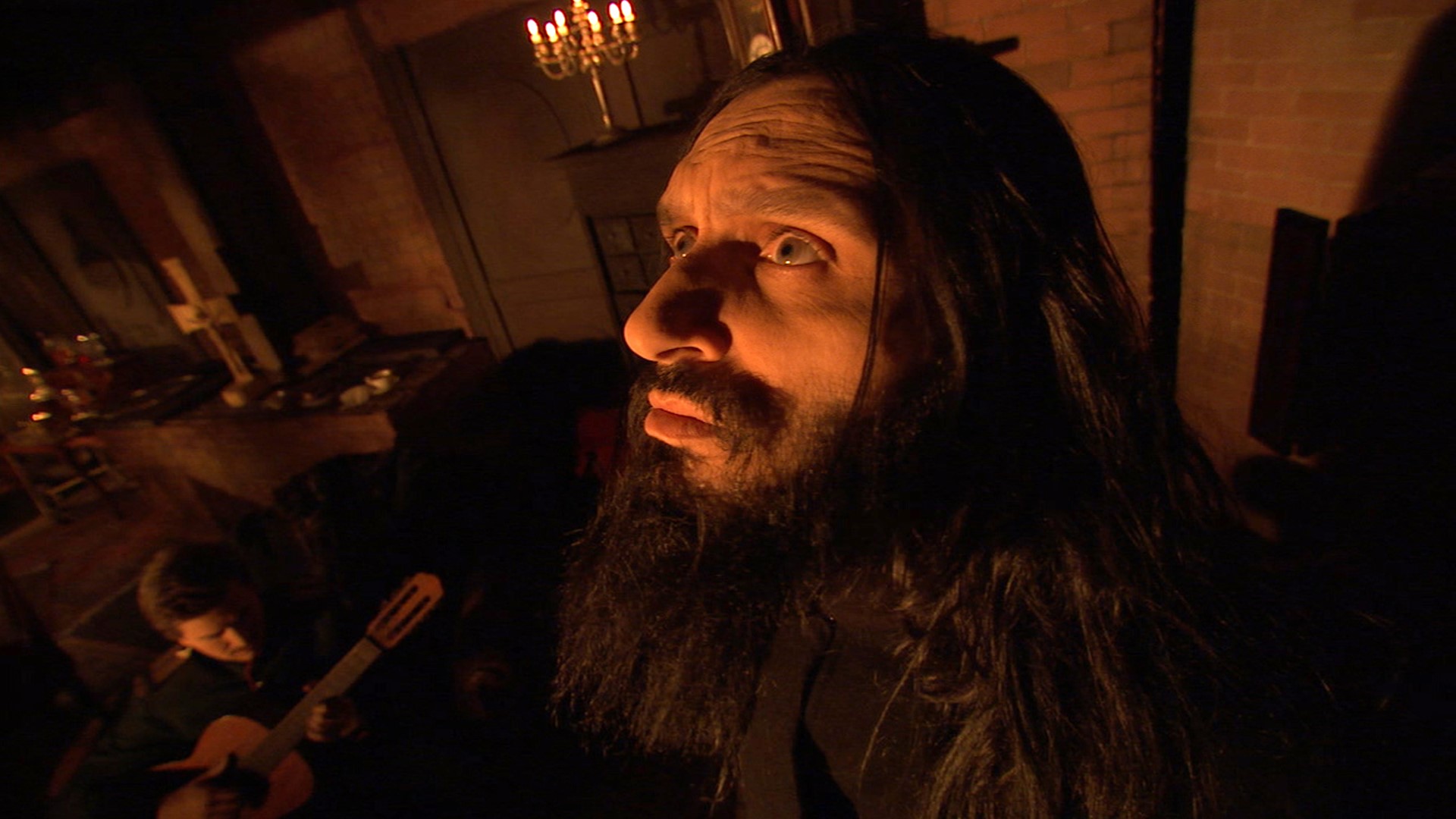
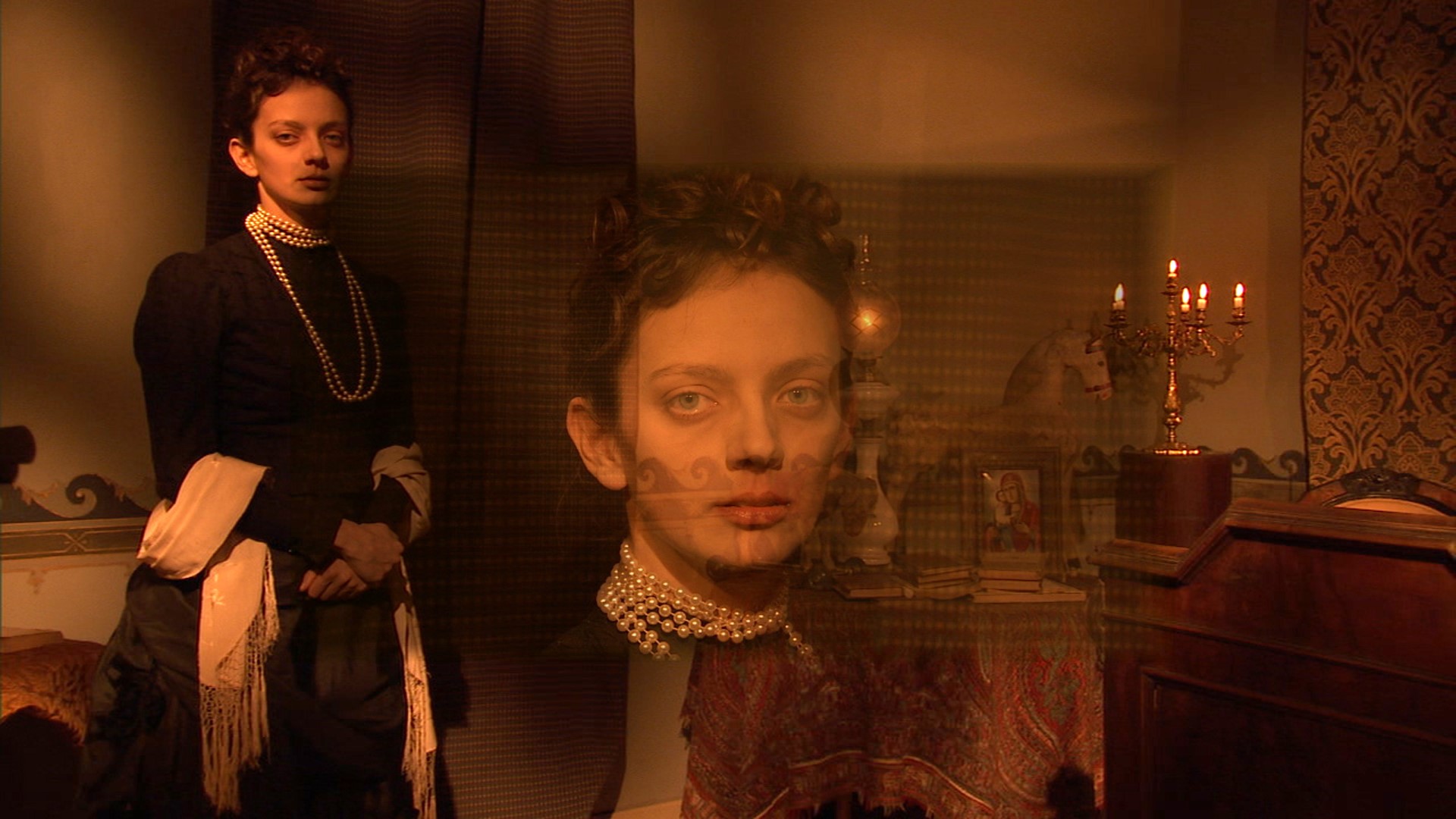
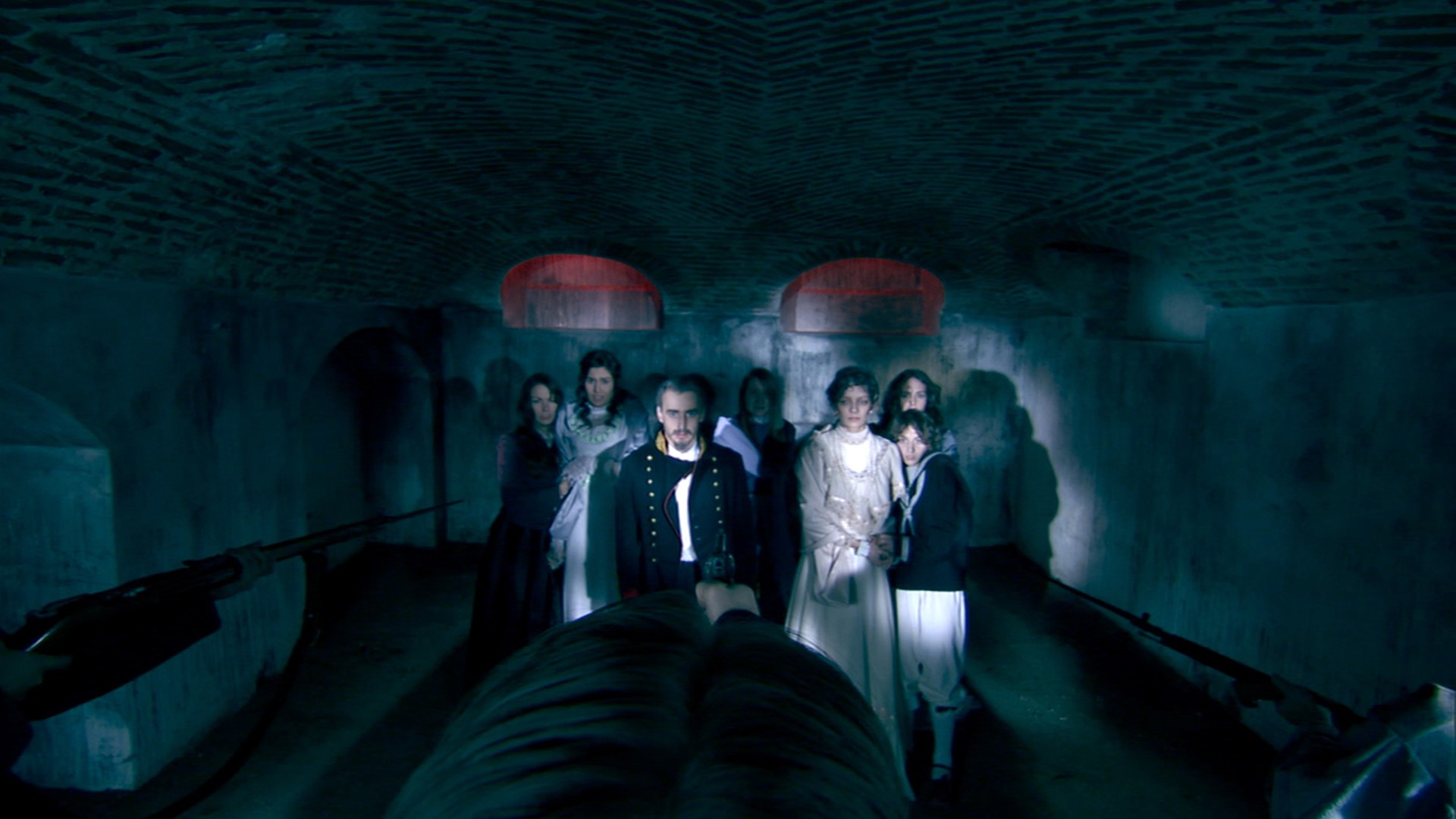
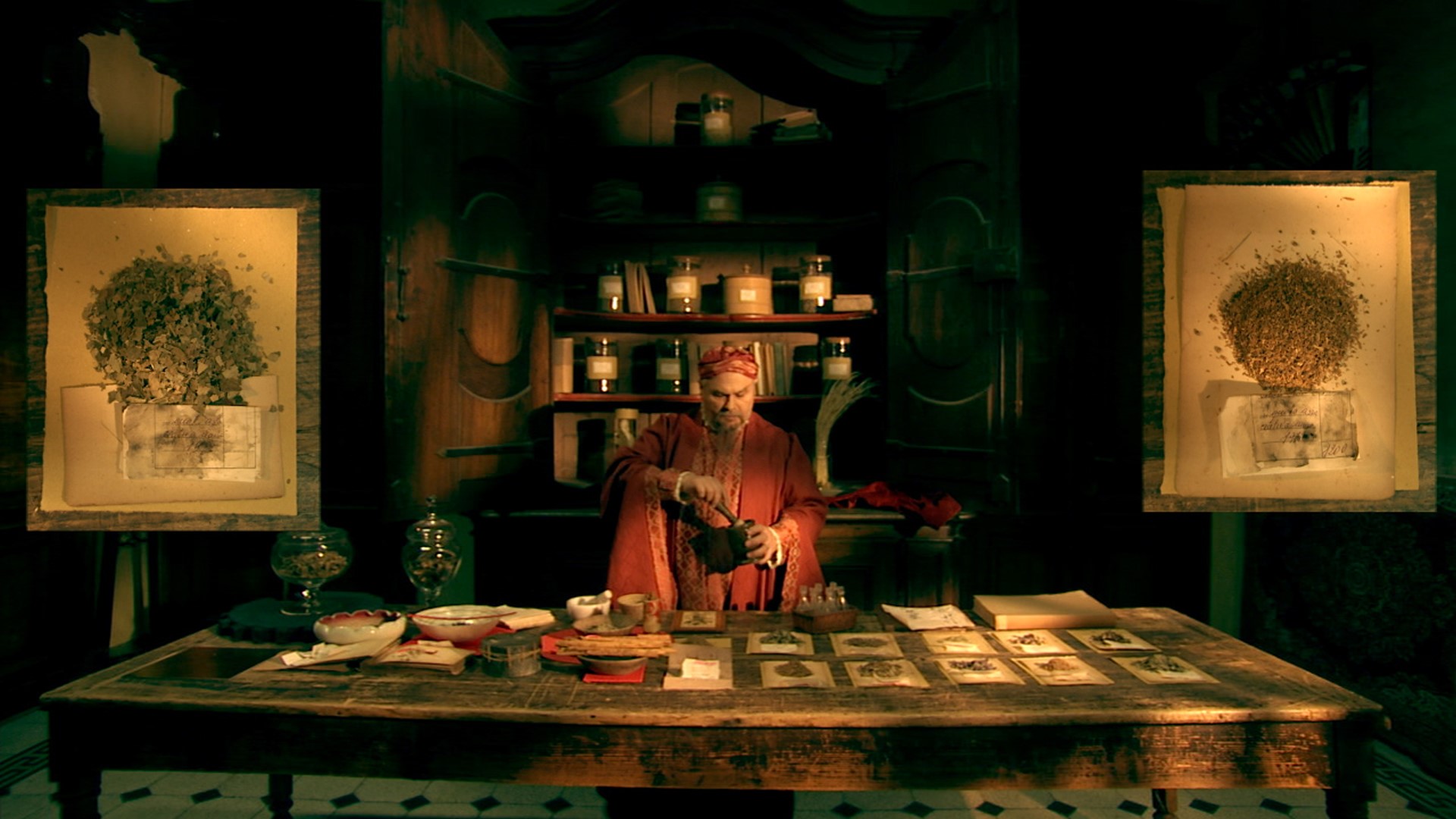
Discover our gallery


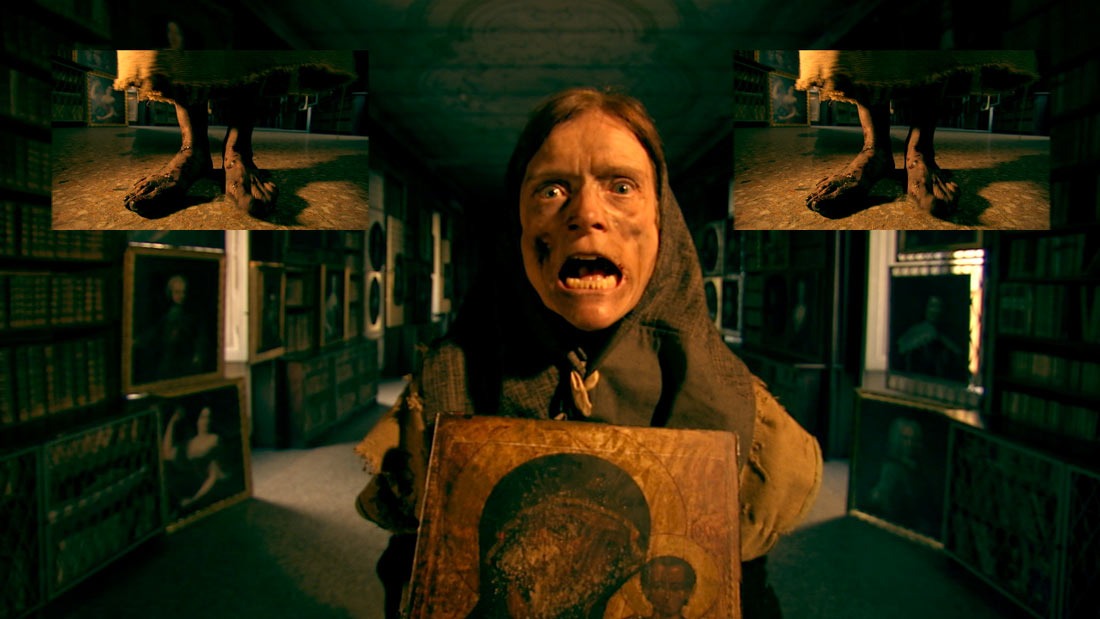


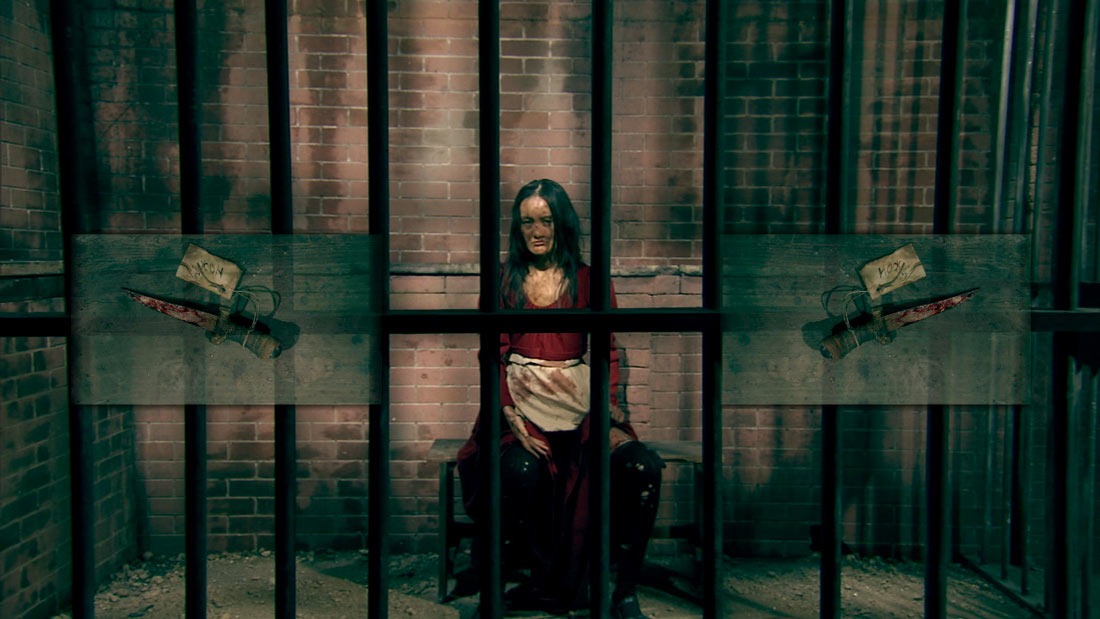
A portrait of one of history’s most enigmatic figures
Rasputin by Louis Nero is a cinematic exploration of one of the most controversial and fascinating figures of modern history. Rather than presenting Grigórij Efímovič Raspútin as a simple historical character, the film approaches him as a symbol of mystery, power, and ambiguity. Through this perspective, the narrative becomes more than a reconstruction of events, opening instead onto a darker and more layered reflection on influence, myth, and the forces that shape history from behind the scenes.
A conspiracy film set in the shadows of empire
One of the defining dimensions of Rasputin is its strong conspiratorial atmosphere. The film moves through a world of political intrigue, hidden agendas, and secret maneuvers, where personal influence and state power constantly intersect. In this sense, Rasputin is not portrayed only as a mystic or advisor, but as a figure caught at the center of a dangerous web of suspicion and manipulation. This element gives the film a tense and compelling rhythm, transforming historical material into a story of suspense and hidden conflict.
The Russian court as a place of fascination and decay
The setting of the Russian imperial court plays a crucial role in shaping the tone of Rasputin. Louis Nero presents this world as opulent, unstable, and deeply haunted by tension, a place where grandeur and collapse seem to coexist. Within this environment, Rasputin becomes both a symptom and a catalyst of deeper forces, embodying the unease of a society on the edge of transformation. The court is not merely a backdrop, but a symbolic space where politics, fear, mysticism, and decadence converge.
Between mysticism and manipulation
A central theme of the film is the ambiguity of Rasputin himself, suspended between spiritual charisma and calculated influence. Rasputin explores the fine line between authentic mysticism and psychological control, leaving space for uncertainty rather than easy explanation. This tension is essential to the film’s fascination, because it reflects the enduring impossibility of reducing Rasputin to one truth alone. He remains, even within the narrative, a figure who escapes clear definition and continues to provoke both belief and suspicion.
Louis Nero’s auteur vision of historical intrigue
In Rasputin, Louis Nero brings his authorial style to a historical subject that naturally invites both realism and interpretation. The film combines historical references with a more imaginative and visionary approach, creating a work that belongs as much to auteur cinema as to historical drama. Visual atmosphere, symbolic tension, and psychological depth become just as important as factual reconstruction. This gives the film a distinctive identity, allowing it to move beyond biography and into a more cinematic meditation on mystery and power.
A story shaped by death, myth, and political obsession
The assassination of Rasputin has long been surrounded by theories, contradictions, and speculation, and the film embraces this unresolved dimension as part of its power. Rasputin is therefore not only a portrait of a man, but also a reflection on how history turns certain figures into legends. By engaging with the mystery of his death and the political obsessions that surrounded his life, the film reveals how myth can become inseparable from truth. The result is a dark and compelling journey into one of the most enduring enigmas of the modern age.

