
The Man who drew God
Drama, Comedy | 110 min | 2022

Synopsis
The rise and fall of a blind artist who has the extraordinary gift of making true-to-life portraits just by listening to human voices and becomes a star of trash TV. A fable about the need to rediscover the miraculous power of dignity in a world where the noise of the media has solved the problem of human imperfection simply by eliminating the problem itself.
Cast
Franco Nero, Stefania Rocca, Robert Davi, Wehazit Efrem Abraham, Isabel Ciammaglichella, Simona Nasi, Diana Dell’Erba, Diego Casale, Andrea Cocco, Vittorio Boscolo, Sofia Nistratova, Faye Dunaway, Massimo Ranieri, and Kevin Spacey
Director
Franco Nero
Producer
Louis Nero
Streaming


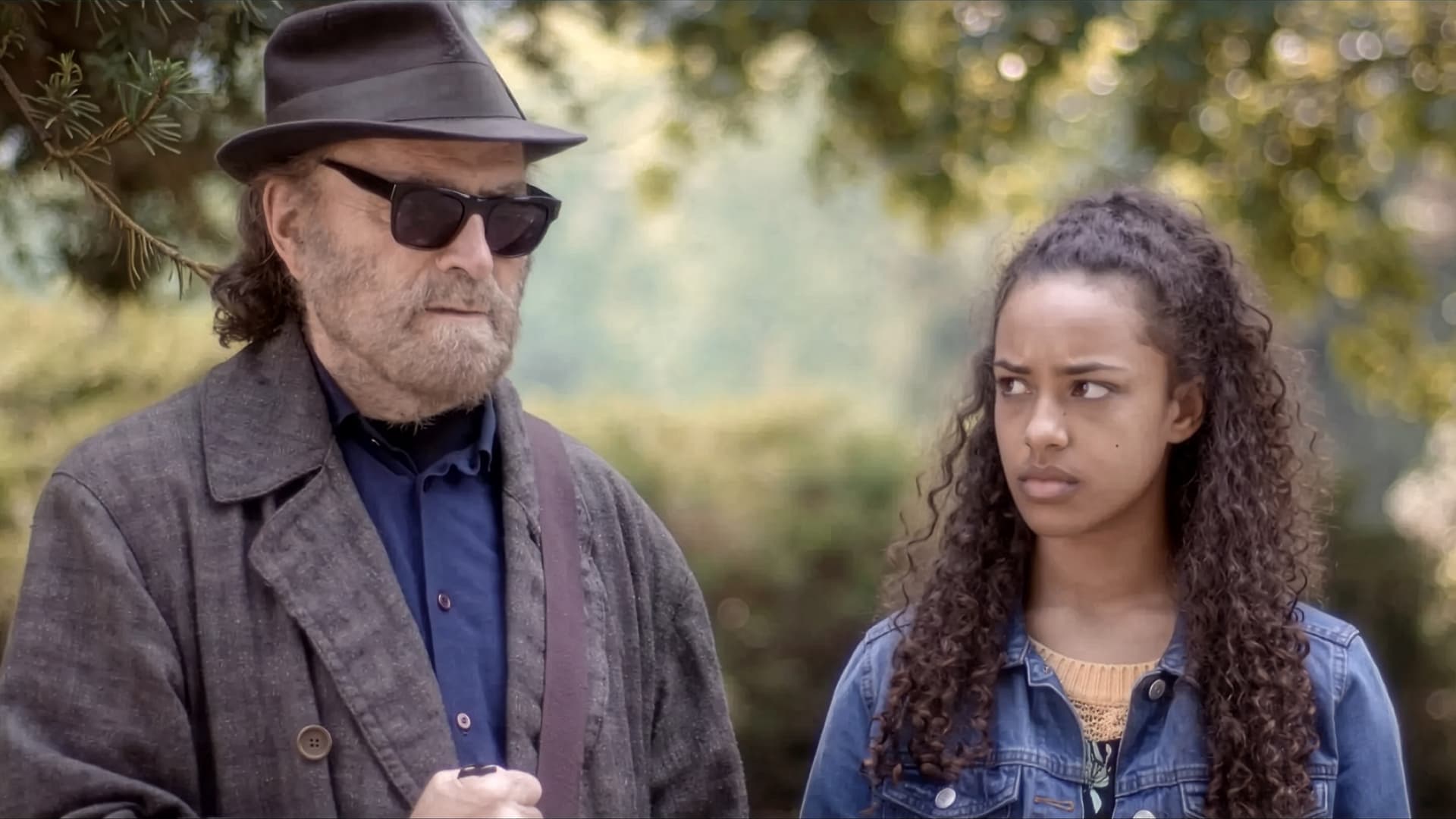
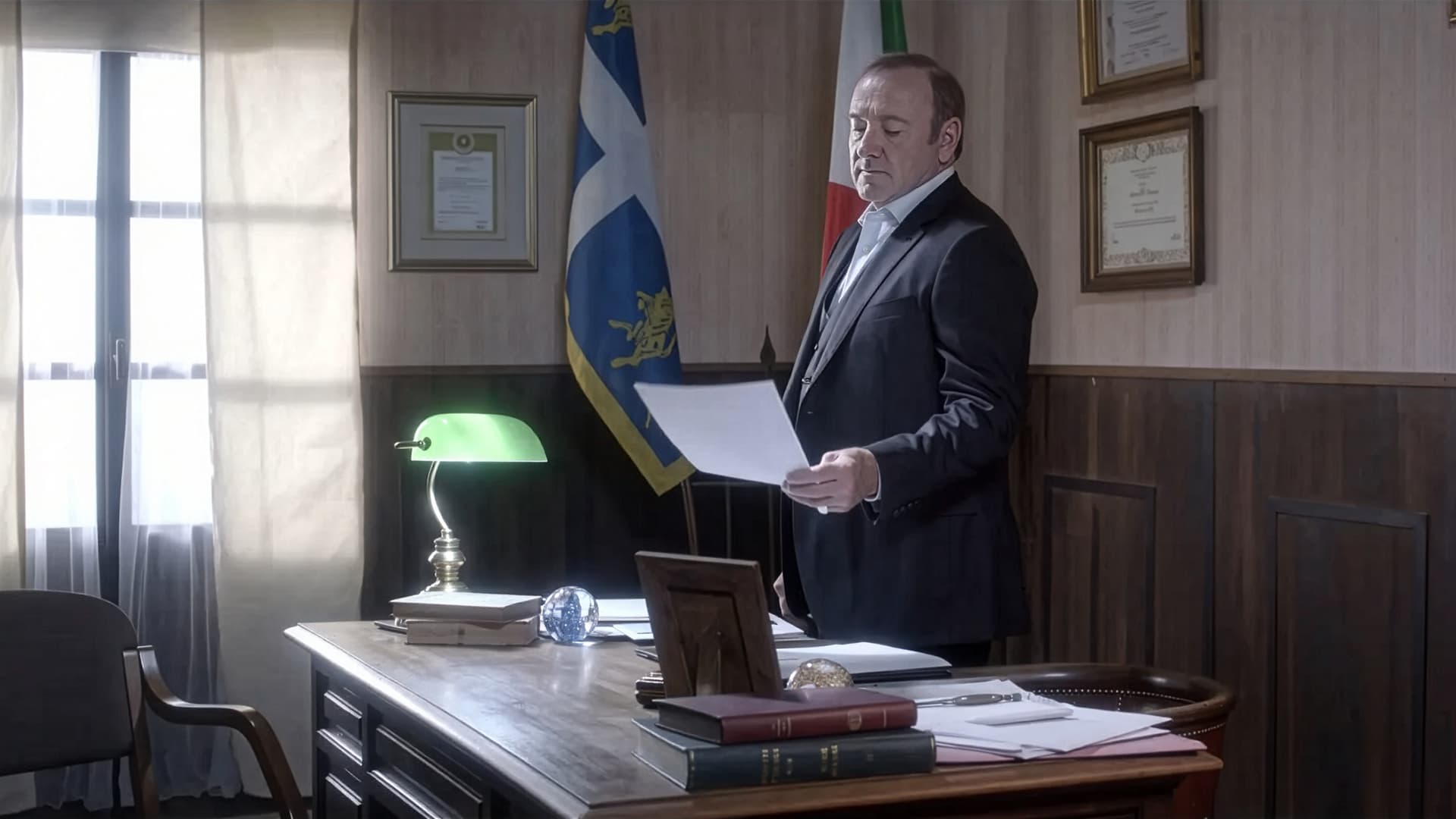
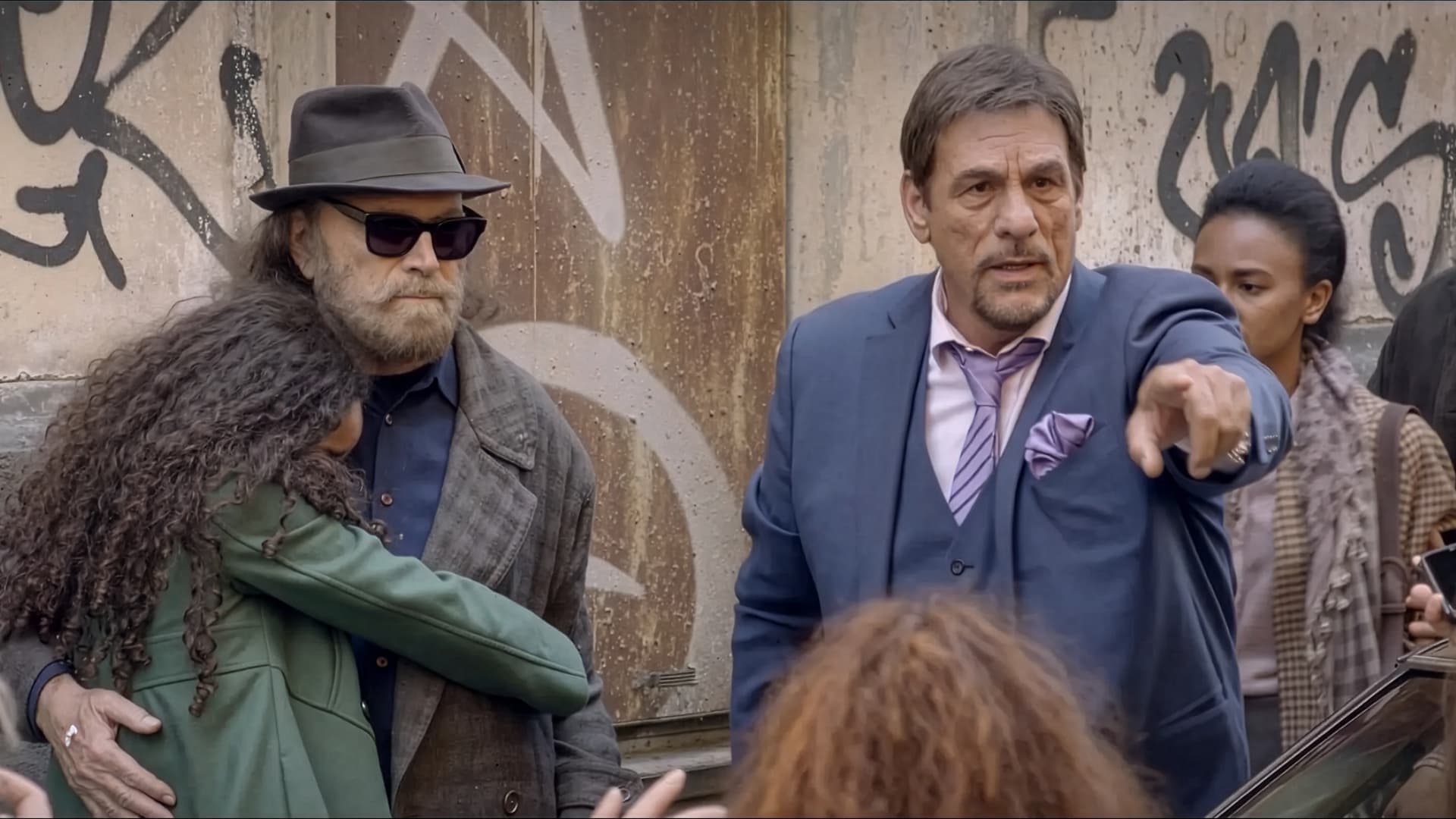
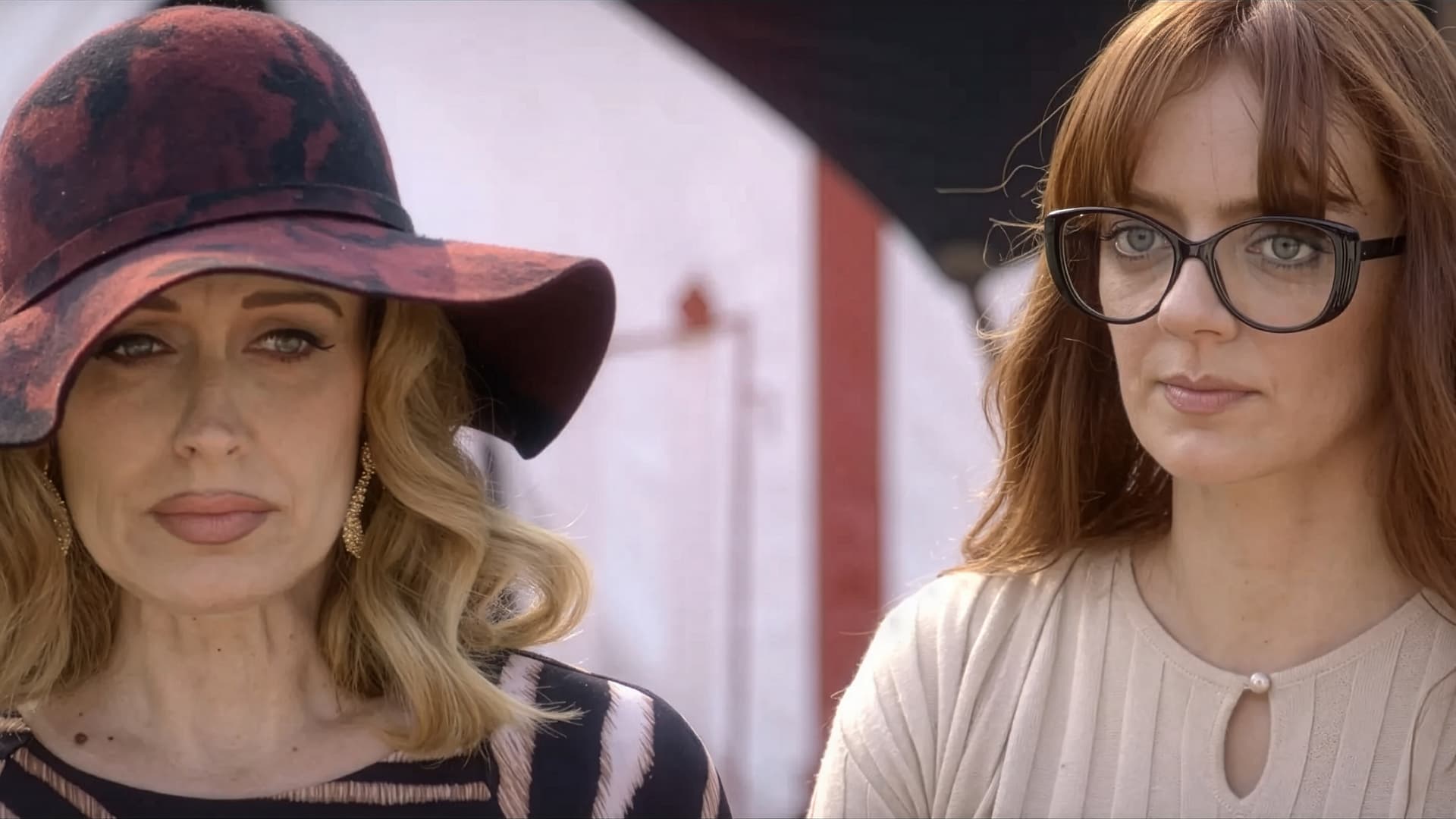
Discover our gallery
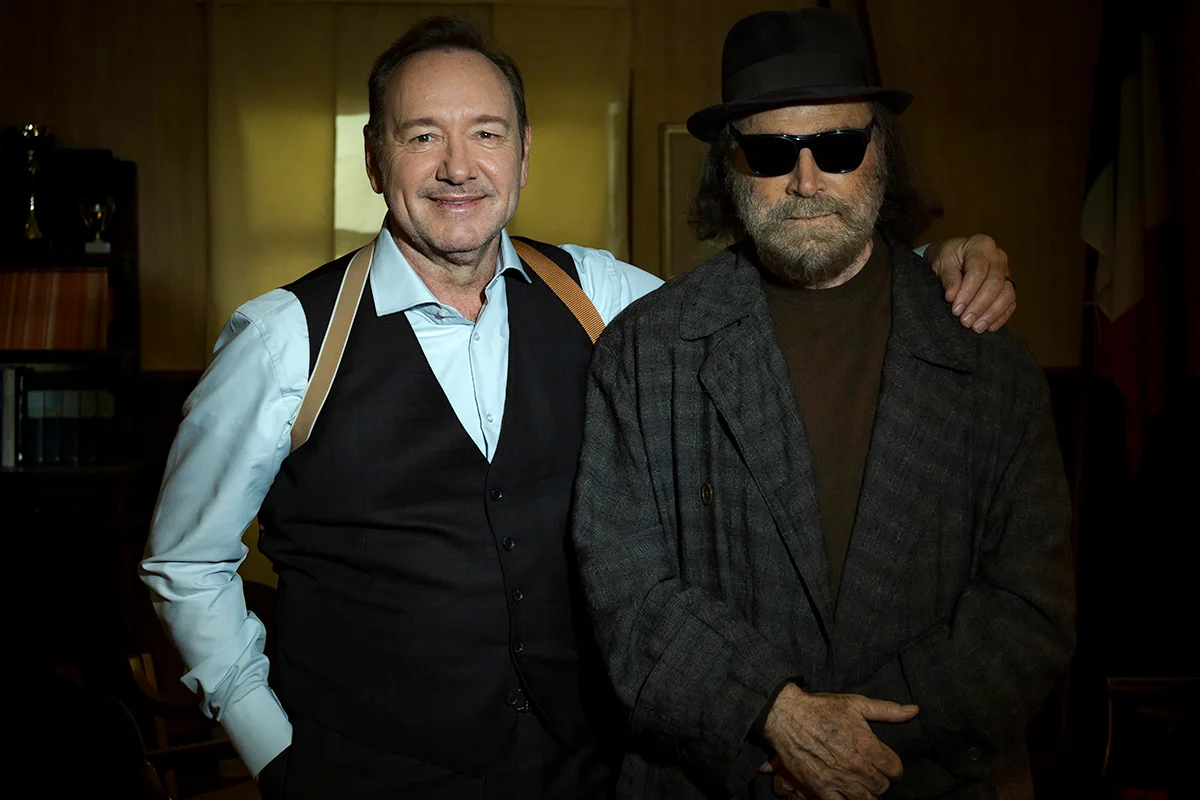

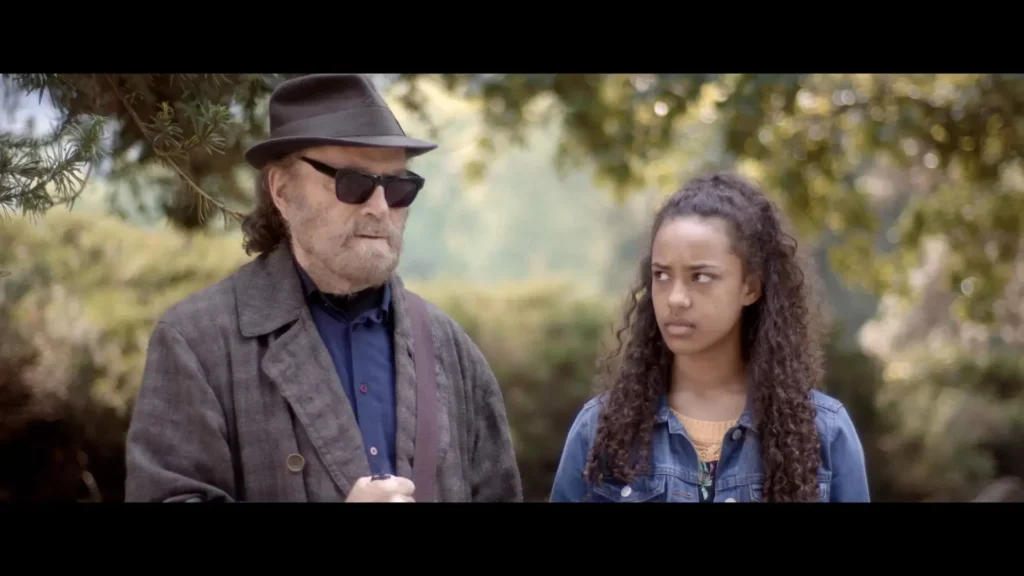
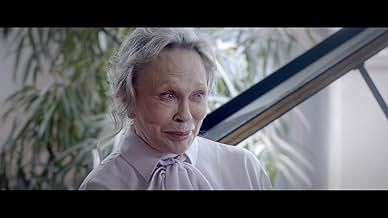
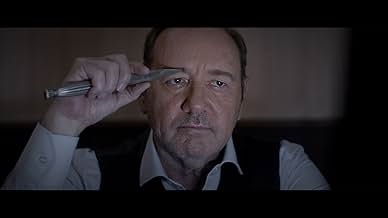
The gift of hearing beyond sight
The Man Who Drew God revolves around an extraordinary and deeply symbolic ability: Emanuele, an elderly blind man, can draw people simply by listening to their voices. This gift is not presented as a trick, but as a powerful metaphor for perception beyond appearances. In a world that often values what can be seen on the surface, the film shifts attention toward intuition, emotional truth, and the invisible essence of human identity.
A blind man who sees more than others
At the heart of the film lies a fascinating contradiction: although Emanuele cannot see, he understands people more deeply than those around him. His portraits become an act of inner vision, suggesting that true understanding does not always depend on the eyes. This makes The Man Who Drew God not only a story about disability, but also a reflection on how rarely people are truly seen for who they are.
When a rare talent becomes public spectacle
The turning point of The Man Who Drew God comes when Emanuele’s private gift is suddenly exposed to the world through a viral video. What begins as a moment of wonder soon becomes a commentary on modern fame, media consumption, and exploitation. The film explores how quickly authenticity can be transformed into entertainment, and how fragile a person can become when intimacy is replaced by public attention.
An encounter that changes everything
The arrival of Maria and her daughter Iaia introduces a new emotional dimension to the story, turning Emanuele’s isolated existence into a fragile form of shared life. Their presence brings warmth, tension, and transformation, while also grounding the narrative in themes of migration, dignity, and human connection. Through this encounter, the film expands beyond the portrait of one man and becomes a story about care, trust, and unexpected belonging.
Franco Nero’s vision between realism and spirituality
Directed by Franco Nero, The Man Who Drew God moves between realism and spiritual suggestion, combining social drama with a more poetic reflection on talent and destiny. The story remains rooted in recognizable human conflict, yet it is constantly elevated by the idea that art can reveal something sacred about people. This balance gives the film a distinctive tone, suspended between everyday life, inner mystery, and moral questioning.
A story of redemption through art
More than a film about an unusual talent, The Man Who Drew God is a story about redemption, vulnerability, and the search for meaning. Emanuele’s drawings are not only portraits, but a way of restoring humanity to those around him and, perhaps, to himself as well. In this sense, the film becomes an inspirational reflection on art as a form of resistance, healing, and emotional truth.

