
The Rage
Drama | 200 min. | 2007
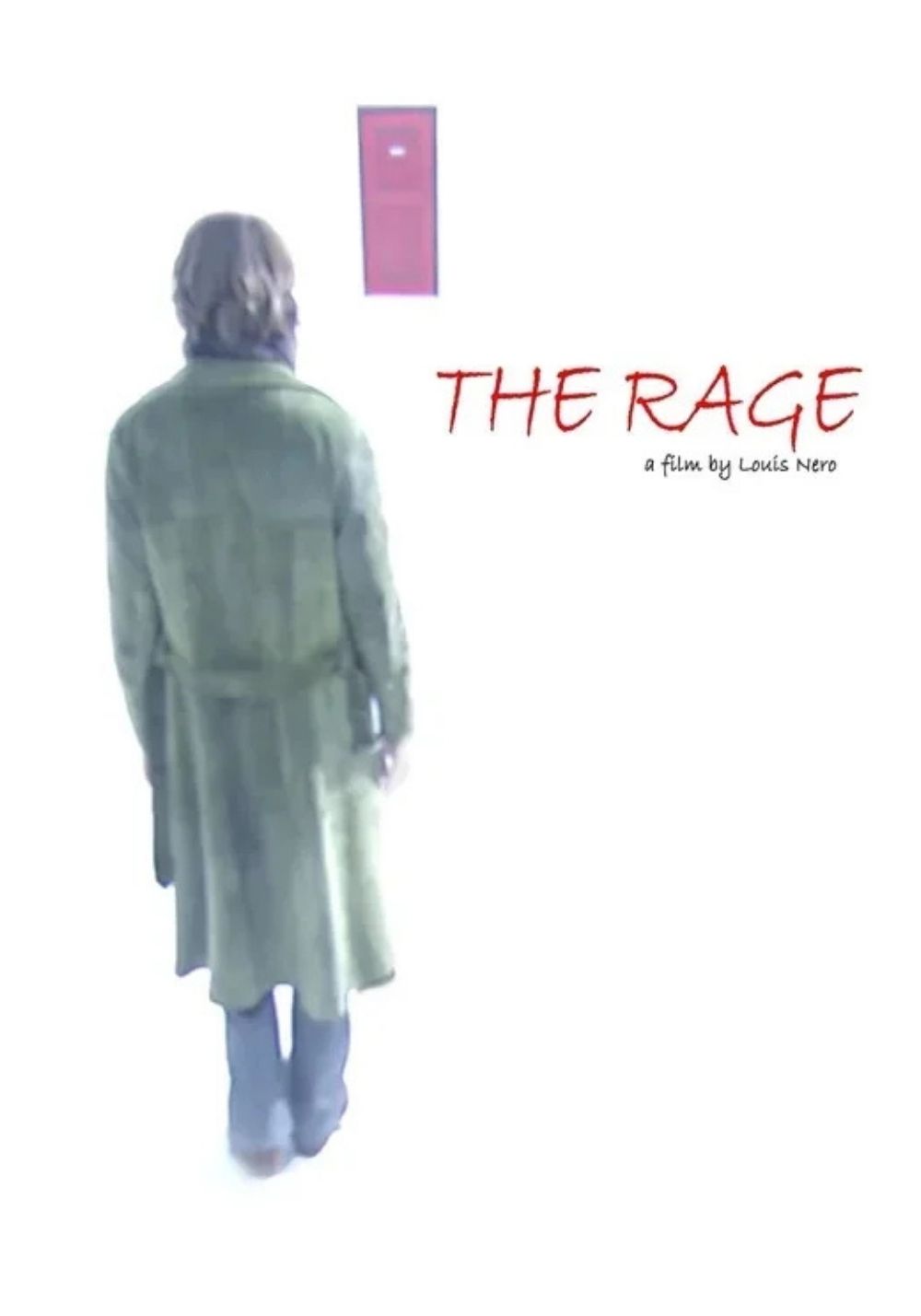
Synopsis
The Rage explores the inner turmoil and existential angst of its characters through a series of surreal and dreamlike sequences. The narrative is non-linear, reflecting the fragmented nature of human consciousness and the unpredictability of emotions. The film delves into themes of anger, despair, and redemption, with each scene meticulously crafted to enhance the surreal and dreamlike atmosphere.
Cast
Franco Nero, Nico Rogner, Faye Dunaway, Giorgio Albertazzi, Lou Castel, Corin Redgrave, Tinto Brass, Philippe Leroy, Arnaldo Foà, Corso Salani, Giampiero Lisarelli, Jun Ichilkawa, Barbara Enrichi, Hal Yamanouchi, Gregorio Napoli, Lucia Luciano, Sax Nicosia, Antonella Salvucci
Director
Louis Nero
Producer
Louis Nero
Streaming

DVD


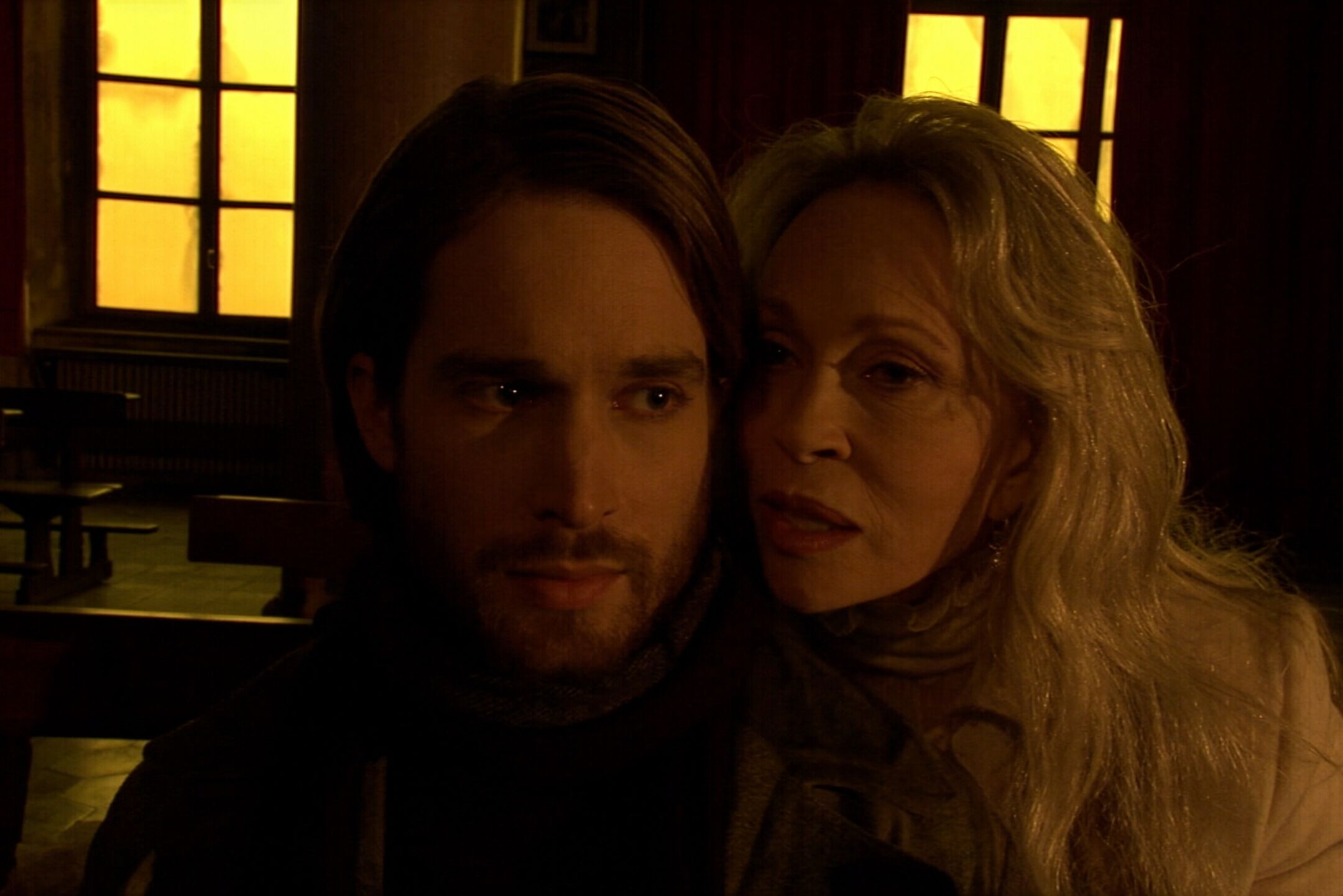
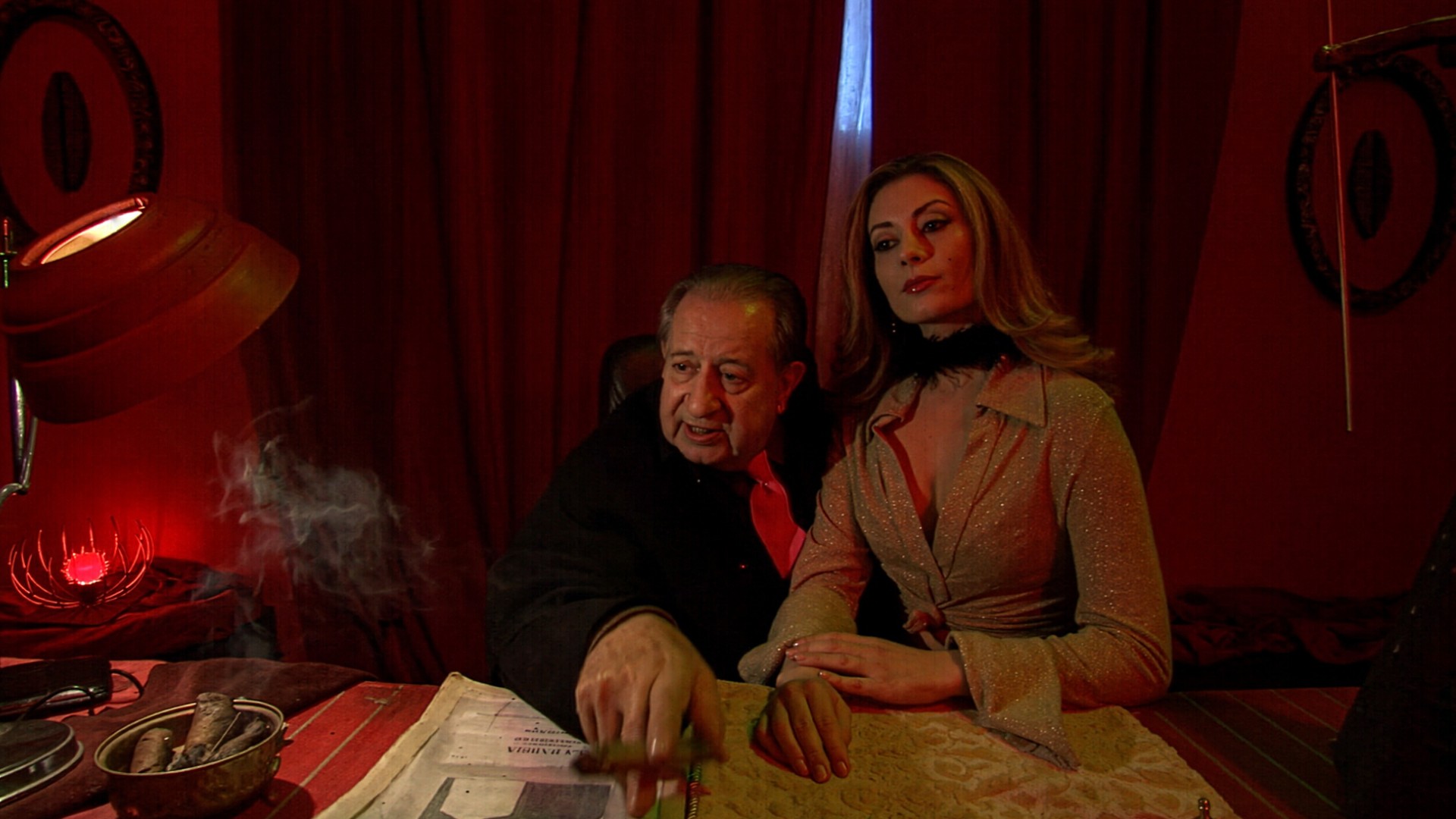
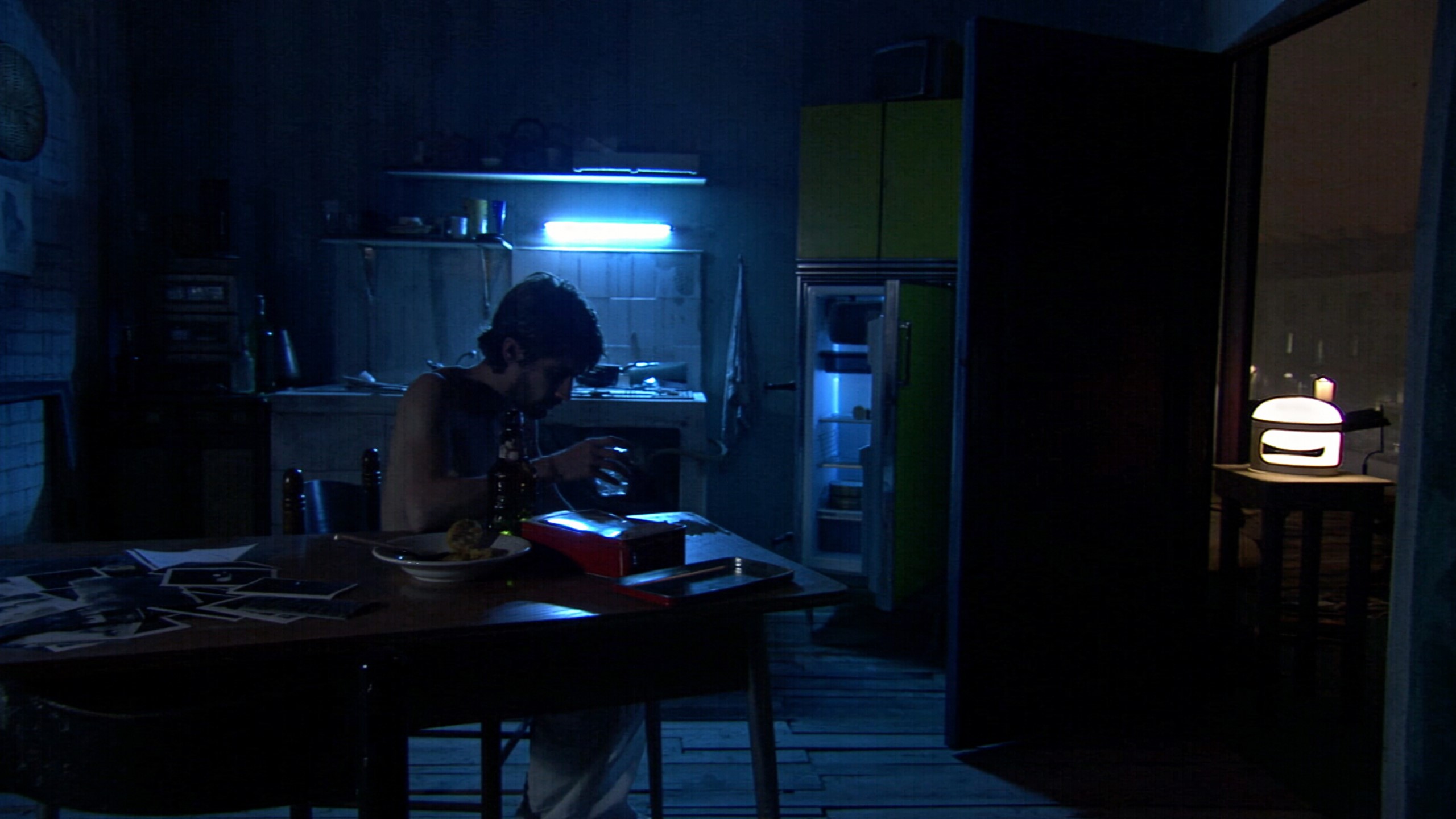
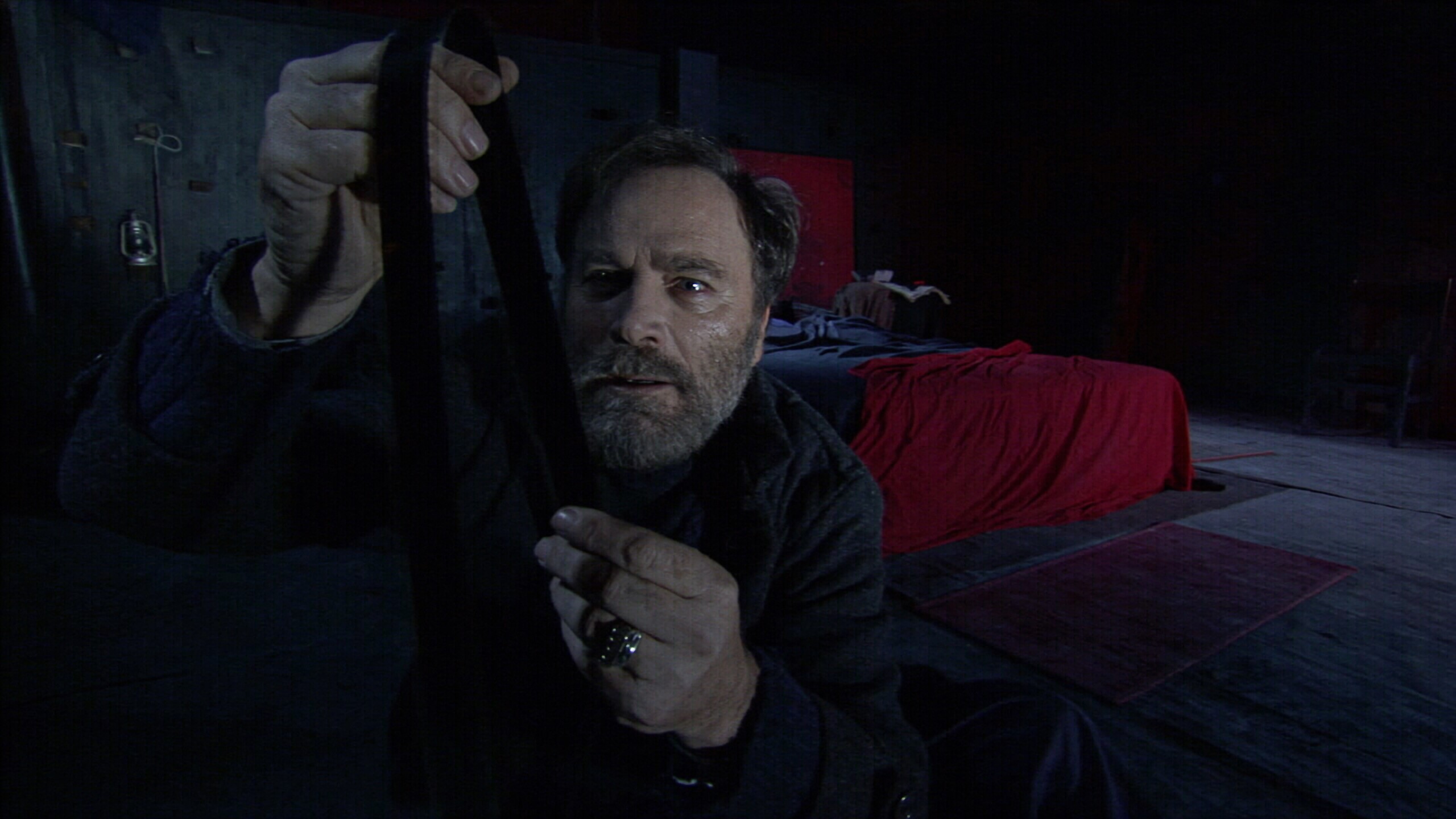
Discover our gallery
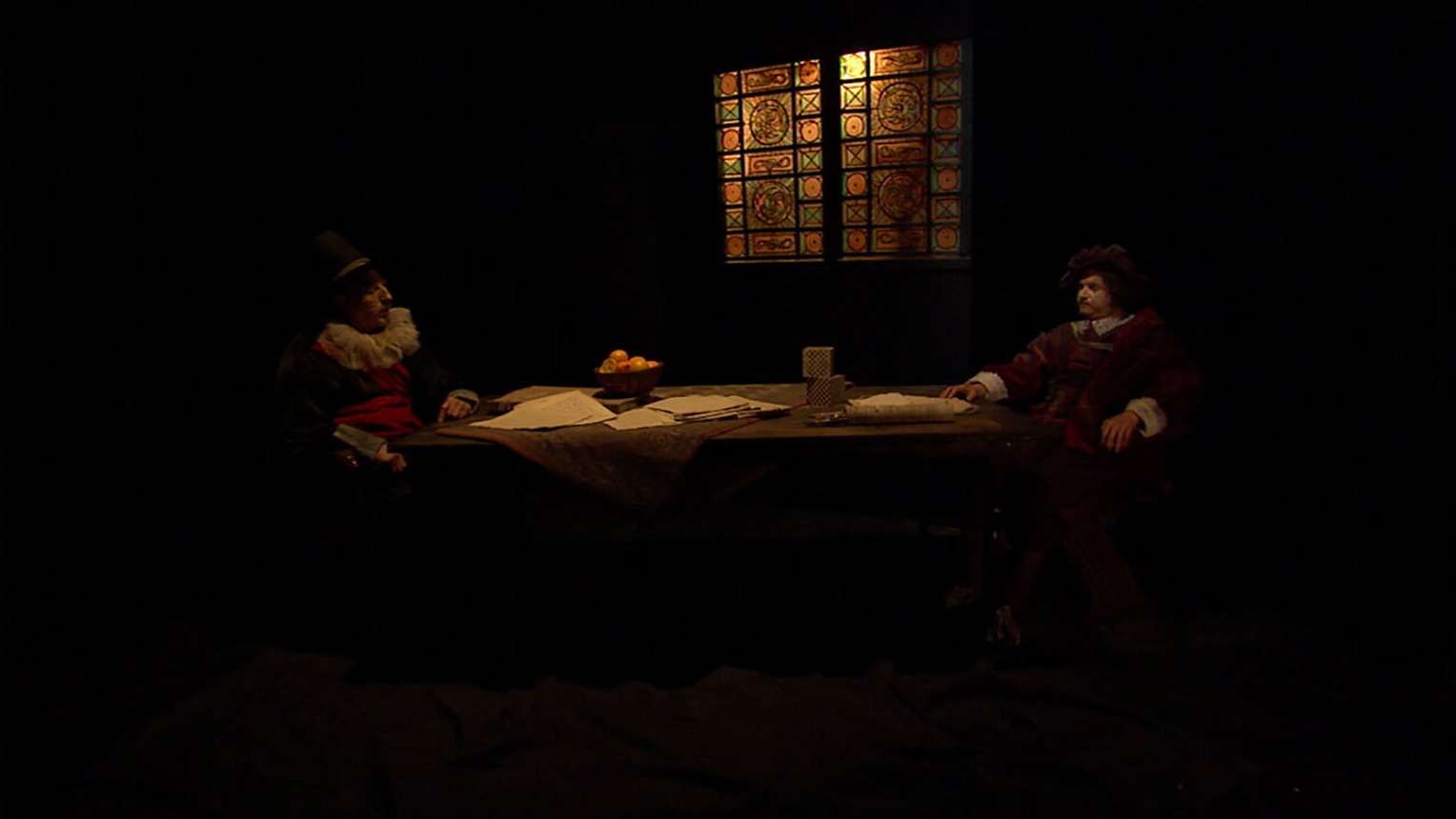
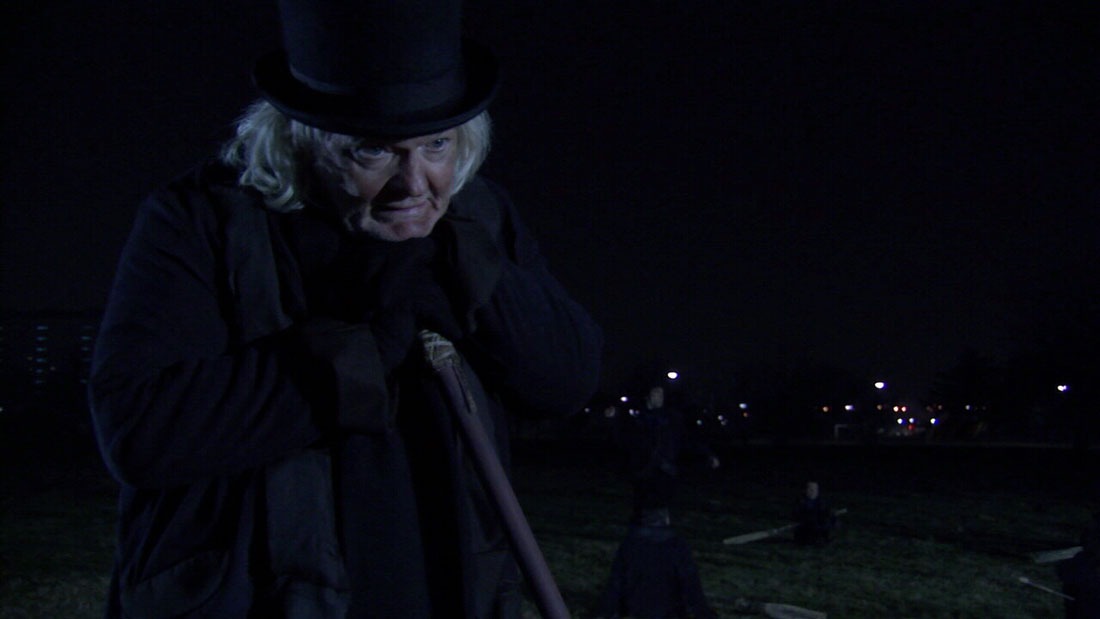
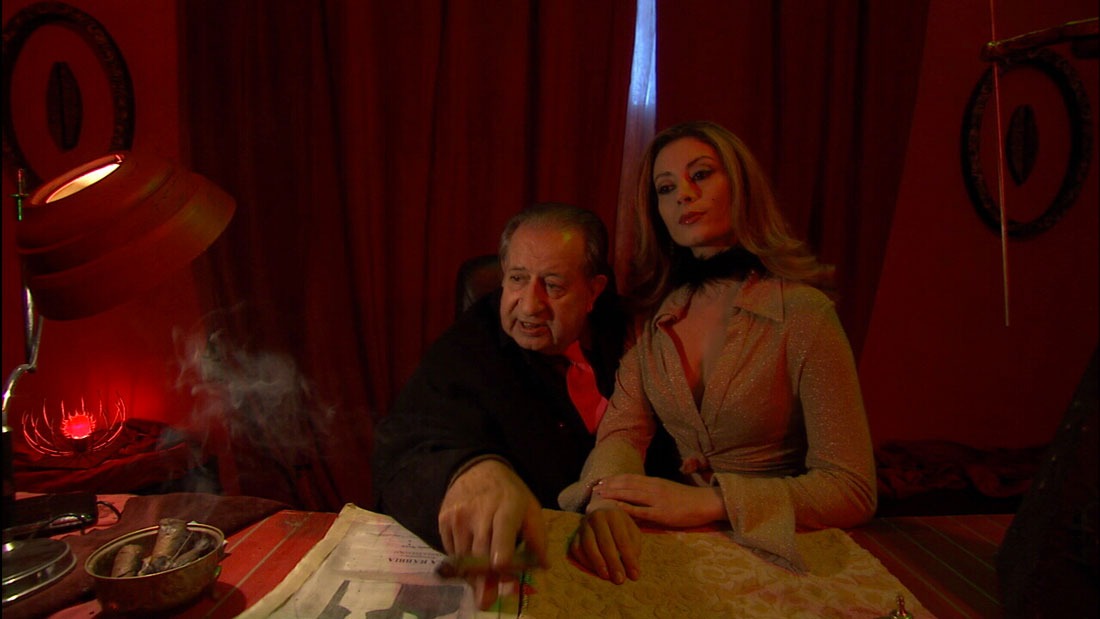
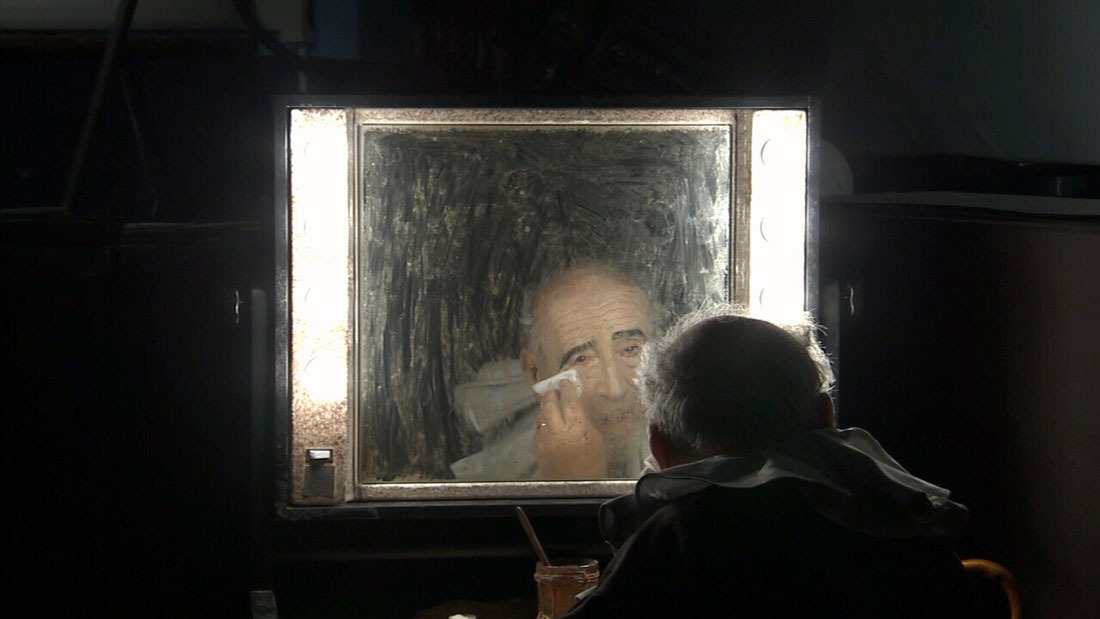
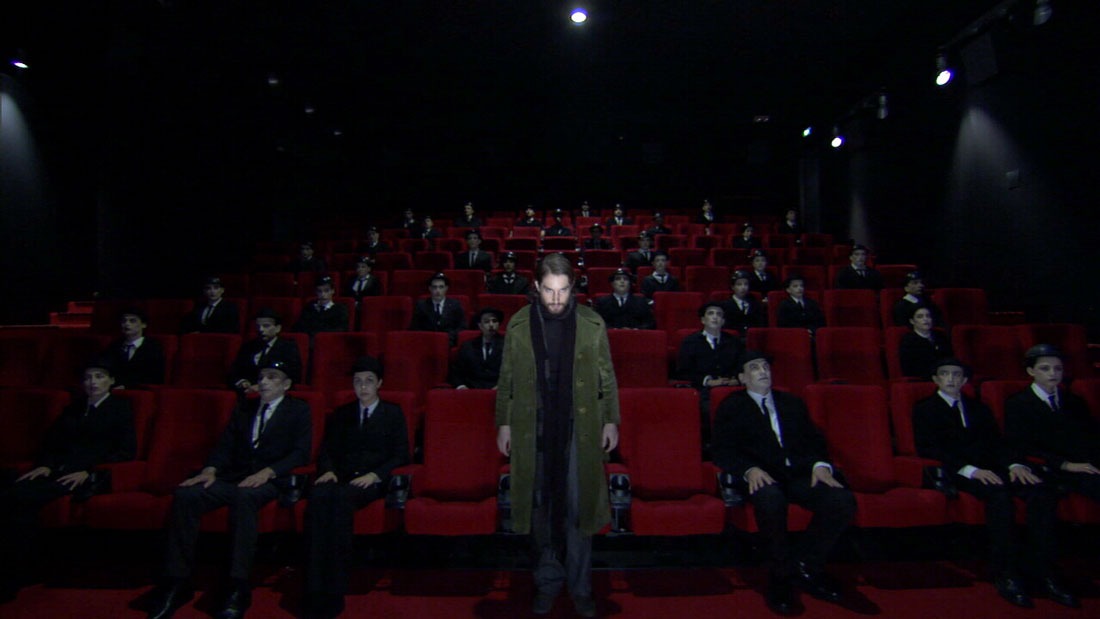
A film about the fury of wanting to create
The Rage is built around a young director whose desire to make a film becomes an obsession, a necessity, and finally a form of existential struggle. More than a simple story about artistic ambition, the film turns creation itself into a battleground, where frustration, fear, and determination constantly collide. In this sense, Louis Nero transforms the making of a film into a deeper reflection on identity, failure, and the desperate need to leave a trace behind.
A surreal portrait of the film industry
One of the most distinctive aspects of The Rage is the way it uses cinema to speak about cinema itself. Producers, mentors, screenwriters, and distributors all become part of a symbolic landscape that reflects the contradictions, illusions, and power dynamics of the industry. Rather than presenting a realistic backstage chronicle, the film filters this world through a dreamlike and often surreal lens, turning the system of filmmaking into a theatre of desire, disappointment, and struggle.
Between dreamlike cinema and existential tension
The official presentation of The Rage emphasizes its surreal and non-linear structure, describing a narrative shaped by fragmented consciousness, inner turmoil, and emotional unpredictability. This gives the film a strong dreamlike quality, where images do not simply illustrate events, but express unstable states of mind. Through this stylistic approach, Louis Nero creates a work in which rage is not only a theme, but also a visual and narrative force that shapes the entire cinematic experience.
The rebellion of an independent filmmaker
At the center of the story is an act of rebellion against exclusion and indifference. Rejected by producers and unable to find support for his project, the protagonist pushes his frustration to an extreme decision: robbing a bank in order to finance the film himself. This dramatic premise gives The Rage a provocative edge, but it also reveals the film’s deeper question: whether it is better to betray one’s ideals for survival or defend them at any cost.
A cast that turns the film into a symbolic gallery
The Rage brings together an unusually rich and eclectic cast, including Franco Nero, Faye Dunaway, Giorgio Albertazzi, Lou Castel, Corin Redgrave, Tinto Brass, Philippe Leroy, Arnoldo Foà, and others. Their roles, often tied to emblematic functions within the protagonist’s journey, give the film the feel of a symbolic procession rather than a conventional ensemble drama. This layered casting reinforces the film’s hybrid nature, suspended between autobiographical tension, allegory, and auteur cinema.
A meta-cinematic work driven by anger and redemption
What makes The Rage particularly compelling is the way it turns personal anger into artistic material. The film is not only about a man trying to make a movie, but about the emotional cost of pursuing a vision in a world structured by compromise, hierarchy, and refusal. With music by Teho Teardo and an original song by Luis Bacalov that was nominated for the David di Donatello, the film frames this struggle within an intense audiovisual world, where rage gradually becomes a form of inspiration and a search for redemption.

